 National Rehab Helpline
251 Llewellyn Avenue, Campbell, CA, 95008
Active
- Hospital inpatient
- Medicaid
- Medicare
- Private insurance
City
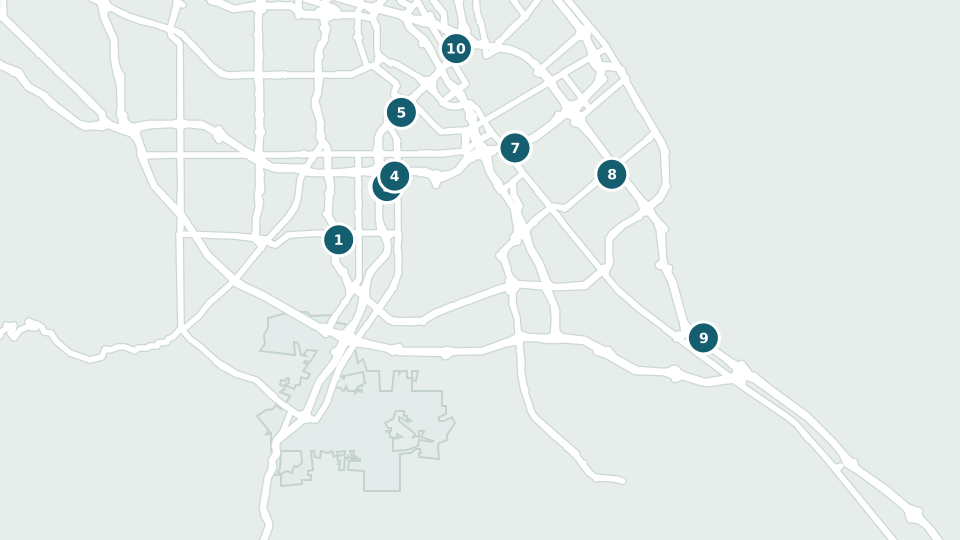
10 options near Los Gatos, CA, nearest first. Compare services and locations, then call to check availability.
Call (833) 659-6966Ask about your optionsThis number connects to our central helpline, not directly to a listed facility.
Check which services are available for your needs.
Confirm payment options and any waiting time directly.
Ask what information the program needs from you.
When you contact a program in Los Gatos, it helps to know what to ask about a first visit. Programs may offer an initial assessment to understand your situation and recommend a level of care. You can ask what the assessment involves, whether a same-day appointment is possible, and what documents or information you should bring.
Inpatient or residential programs will likely have a set intake process, while outpatient programs may have more flexible scheduling. Confirming what is included in the first session—such as a medical evaluation or a counseling session—can help you prepare. Since each program operates differently, calling ahead to clarify their exact procedures is a practical first step.
Call (833) 659-6966
One practical way to compare drug rehab centers is by the levels of care each one offers, since not every facility provides every service. Detox is the entry point for some people: a medically supervised withdrawal period that typically lasts several days to a week. Inpatient or residential rehab follows for many, offering a live-in environment with daily therapy, group sessions, and structured routines.
Day treatment, often called partial hospitalization, delivers intensive programming during the day while you sleep at home. Intensive outpatient care reduces the time commitment further, usually three sessions per week for a couple of hours each. Traditional outpatient therapy is the most flexible option, fitting around jobs and family obligations.
Sober living homes sit at another point on the spectrum, providing drug-free housing with peer accountability rather than clinical treatment itself. Checking which of these a center actually runs, rather than just refers out for, tells you a lot about how complete its program is.
Call (833) 659-6966Check which services each program reports offering.
Consider travel distance and whether care is in person or remote.
Ask the program directly about payment and coverage.
Confirm how to contact the program and what to expect.
When you contact a drug rehab center, treat the call as a two-way interview. Useful questions fall into a few groups. About the program itself: What is your approach to treatment, and is it evidence-based?
How many clients are in a treatment group at once? What happens if I need a level of care you don't provide? About staff: Who leads the therapy sessions, and what licenses or degrees do they hold?
About cost and coverage: Do you take my insurance, and can you verify my benefits before I enroll? Are there scholarships, state funding, or sliding-scale options if I'm paying myself? About daily life: Can family visit or attend counseling, what is the policy on cell phones, and how do you handle medical needs or dietary restrictions?
About outcomes and follow-up: How do you support people after discharge, and is there an alumni network or continuing care group? Writing your questions down before the call keeps you from forgetting them in the moment.
Many individuals seeking help through drug rehab centers in California use private health insurance, which often covers a significant portion of treatment costs; it is essential to verify your specific plan’s network and benefits directly with the provider. Public coverage through Medi-Cal may be accessible for eligible residents, though acceptance varies by facility and program, so confirm participation before admission. Some centers offer sliding-scale fees based on income, allowing those with limited resources to pay less, while self-pay remains an option for those who can cover costs out-of-pocket.
Prospective clients should contact each facility to discuss payment options and confirm any financial programs.
Start with the kinds of care relevant to your needs.
Check each program’s listed services, location and contact details.
Contact a program to confirm availability, costs and the next step.
A few concrete criteria separate stronger programs from weaker ones. Does the center provide the full range you might need, from detox through aftercare, or will you have to transfer mid-treatment? Is it licensed by the state, and does its website or staff mention accreditation you can independently verify?
Does it base treatment on recognized methods rather than unproven alternatives, and does it offer medication-assisted treatment if opioids or alcohol are involved? Is the length of program fixed, or does it adjust to how you progress? Look also at who else is in the room: age-specific, gender-specific, or profession-specific groups can make therapy more relevant.
Cost transparency is a real criterion; a program that will not give you a clear picture of charges and insurance coverage before admission is a red flag. Check whether they address relapse openly and have a protocol for it, because setbacks are common and a good program plans for them. Speaking with a person who has completed the program, if the center can arrange it, can tell you things no brochure will.
When you contact a program in Los Gatos, it helps to know what to ask about a first visit.

When safety is at stake, treatment options can wait; emergency care comes first. Call 911 for any suspected overdose, whether involving opioids, stimulants, or mixed substances, and for withdrawal symptoms that include hallucinations, severe shaking, or repeated vomiting. Give responders as much information as you can about what was taken, when, and how much, because this shapes the care they provide.
If you or someone you know is thinking about suicide, call or text 988 for the Suicide and Crisis Lifeline, where counselors respond at any hour. You can also text HOME to 741741 to reach the Crisis Text Line if speaking aloud feels difficult. Once the person is medically stable, hospital staff or a local helpline can connect you with drug rehab centers for ongoing treatment, and it is reasonable to ask them directly for that referral before leaving.
If you or someone else is in immediate danger, call 911 now.
Call (833) 659-6966251 Llewellyn Avenue, Campbell, CA, 95008
Active
2425 Enborg Lane, San Jose, CA, 95128
Active
2425 Enborg Lane, San Jose, CA, 95128
Active
751 South Bascom Avenue, San Jose, CA, 95128
Active
1991 Park Avenue, Suite 20, San Jose, CA, 95126
Active
160 East Virginia Street, Suite 280, San Jose, CA, 95112
Active
160 East Virginia Street, Suite 264, San Jose, CA, 95112
Active
1340 Tully Road, Suite 304, San Jose, CA, 95122
Active
5855 Silver Creek Valley Place, San Jose, CA, 95138
Active
1302 North 4th Street, San Jose, CA, 95112
Active
What you need to bring can vary by program. It is a good idea to call the facility ahead of time and ask if they require a photo ID, insurance card, or any medical records. Some programs may ask for a list of current medications or a brief history of your substance use. Confirming these details in advance can make your first visit smoother.
The length of a program depends on the level of care and your individual needs. Outpatient programs may last a few weeks to several months, while residential or inpatient programs can range from 30 to 90 days or longer. The best way to get an accurate timeline is to discuss it during your initial assessment with the program you are considering.
Yes, in most cases, though every facility has its own medication policy. Bring your prescriptions in their original bottles and tell the intake staff about everything you take, including psychiatric medications. The medical team will review your medications during assessment and continue what is appropriate. Some facilities restrict certain drugs for safety reasons, so disclose everything upfront to avoid problems after admission.
Most rehab centers welcome family involvement, and many build it directly into the program. Common options include family therapy sessions, educational groups where loved ones learn about addiction and recovery, scheduled visitation, and updates on your progress within privacy limits. Some centers hold weekend family programs or workshops. The extent of involvement varies by facility, so ask about their specific family services when you call.
Yes, treatment for substance use is protected by stronger privacy laws than general medical care. Federal rules under 42 CFR Part 2 specifically restrict drug and alcohol treatment records, and facilities cannot confirm to anyone, including employers or family, that you are a patient without your written consent. The usual medical privacy protections under HIPAA also apply. Staff will explain the limits, such as situations involving danger to yourself or others, when you enroll.
Last updated