 National Rehab Helpline
2510 North California Street, Stockton, CA, 95204
Active
- Hospital inpatient
- Detox
- Medication-assisted treatment
- Medicaid
City
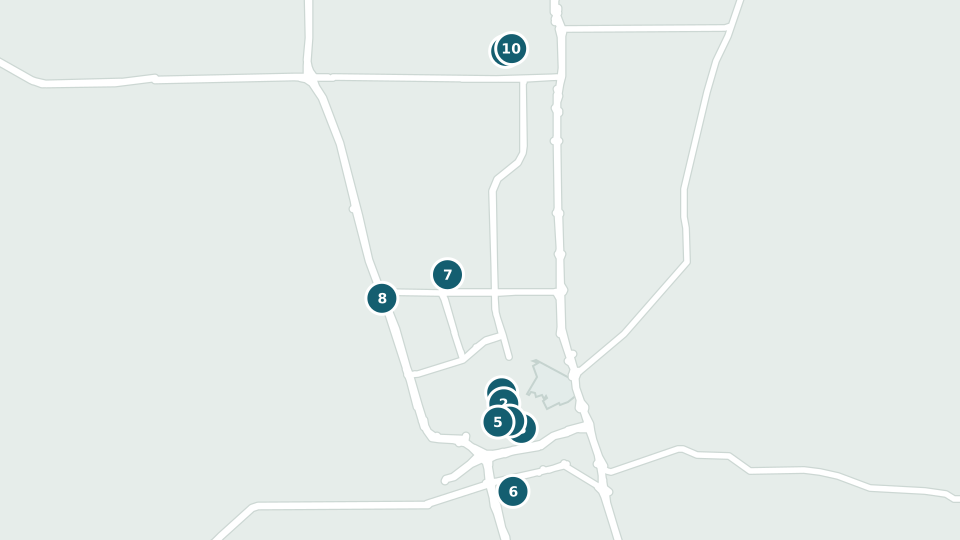
10 options near August, CA, nearest first. Compare services and locations, then call to check availability.
Call (833) 659-6966Ask about your optionsThis number connects to our central helpline, not directly to a listed facility.
Check which services are available for your needs.
Confirm payment options and any waiting time directly.
Ask what information the program needs from you.
When you first contact a program in August, you can ask about the initial assessment process. Many centers begin with a clinical evaluation to understand your situation and discuss what services might fit your needs. You can also ask about the typical schedule for outpatient or residential care, what a typical day looks like, and what rules or expectations are in place during treatment.
Staff can explain any medical monitoring or counseling that is part of the program. It is reasonable to ask about visitation, phone use, and how the program handles personal privacy. Confirming what to bring and what is not allowed on your first day can help you prepare.
Call (833) 659-6966
Treatment programs vary in intensity, and understanding the main types helps you compare what is available near you. Detox programs provide short-term medical oversight while a drug leaves your system, while inpatient or residential rehab has you live at the facility for a set period of care. Outpatient programs let you live at home and attend scheduled sessions, and intensive outpatient programs offer more weekly hours for people who need structure without full-time residence.
Some centers also provide medication-assisted treatment, which combines approved medications with counseling, or aftercare planning that continues once a formal program ends.
Call (833) 659-6966Check which services each program reports offering.
Consider travel distance and whether care is in person or remote.
Ask the program directly about payment and coverage.
Confirm how to contact the program and what to expect.
Before your first call, write down what you want to know so nothing gets lost. Useful questions include: What levels of care does the program offer? What does a typical daily schedule look like?
How long do most people stay? What therapies are used? Is medication-assisted treatment available if it applies to you?
How does the program handle co-occurring mental health conditions like depression or anxiety? What does the program cost, and which insurance plans does it accept? What happens after discharge, and is there an aftercare or alumni plan?
Private health insurance is a common funding source for admission to drug rehab centers throughout California, but individuals must check their plan’s behavioral health coverage and any out-of-pocket expenses. Public programs like Medi-Cal may apply to low-income residents, though not all rehabilitation facilities accept this coverage, requiring direct confirmation from the center. Sliding-scale fees are offered by certain treatment providers, adjusting charges according to financial need, and self-pay is available for those able to pay the full amount upfront.
It is crucial to inquire about payment terms with each facility to understand all viable options.
When you compare rehab centers nearby, look first at whether a program offers the level of care you actually need, such as detox support, residential treatment, or outpatient services. Next, consider the treatment approaches used, including individual counseling, group therapy, family involvement, and medication-assisted treatment if relevant. Practical factors matter too: distance from home, whether your insurance is accepted, total cost after any coverage, and whether family can visit or take part in sessions.
A program that clearly explains its admissions process and answers your questions without pressure is usually easier to work with than one that pushes you to decide on the spot.
When you first contact a program in August, you can ask about the initial assessment process.

If someone is in immediate danger, such as an overdose, a medical emergency, or a situation where they might harm themselves or others, call 911 right away. If you find someone unresponsive or with severe symptoms, do not wait to see whether treatment alone can wait; emergency responders can start help on the way. You can also reach the national mental health and suicide crisis line by calling or texting 988, which connects you to trained crisis counselors around the clock.
If you are with someone during a suspected overdose, call 911 rather than attempting to manage it alone.
If you or someone else is in immediate danger, call 911 now.
Call (833) 659-69662510 North California Street, Stockton, CA, 95204
Active
1947 North California Street, Suites B and C, Stockton, CA, 95204
Active
620 North Aurora Street, Suites 3, 3-A and S2-S9, Stockton, CA, 95202
Active
510 East Magnolia Street, Suite 100, Stockton, CA, 95202
Active
1105-1111 North El Dorado Street, Stockton, CA, 95202
Active
1839 South El Dorado Street, Stockton, CA, 95206
Active
8626 Lower Sacramento Road, Suite 41, Stockton, CA, 95210
Active
7488 Shoreline Drive, Suite B-3, Stockton, CA, 95219
Active
541 South Ham Lane, Suites A and B, Lodi, CA, 95242
Active
330 South Fairmont Avenue, Suite 2, Lodi, CA, 95240
Active
Start by thinking about what kind of setting and schedule you need. Some programs offer outpatient care where you live at home and visit during the day, while others provide a residential setting where you stay overnight. You can also ask whether a program uses medications as part of its approach. The important thing is to call a few programs, ask questions, and go with the one that feels like a good fit for your situation. There is no single right choice, only what works best for you.
Family involvement depends on the specific program. Some centers encourage family therapy sessions or have designated visiting hours, while others may have stricter policies, especially during the first part of treatment. When you call a center, ask about their policy on family visits, phone calls, and whether they offer any family counseling or education programs.
There is no single timeline, because the right length depends on the level of care, the substance involved, and your progress. Detox often lasts a few days to a week, residential programs commonly run 30 to 90 days, and outpatient care can continue for months. Longer and more structured programs tend to give people more time to practice new habits, but the best fit is one you can realistically start and finish.
Many rehab centers accept private insurance, and coverage for substance use treatment is included in most health plans sold under current law. What is covered varies, though, so call your insurer and ask which levels of care are covered, what your out-of-pocket costs would be, and whether a specific program is in network. Get the answers in writing if you can, and ask the treatment center's admissions staff to verify your benefits directly with the insurer.
Inpatient rehab means you live at the treatment center full time for the duration of the program, with 24-hour support and a structured daily schedule. Outpatient rehab means you live at home and travel to the facility for scheduled sessions, which can range from a few hours a week to nearly full-time hours in an intensive program. Inpatient care offers more support and separation from daily triggers, while outpatient care lets you keep working or caring for family.
Last updated