 National Rehab Helpline
1800 NE Market Drive, Fairview, OR, 97024
Active
- Outpatient
City
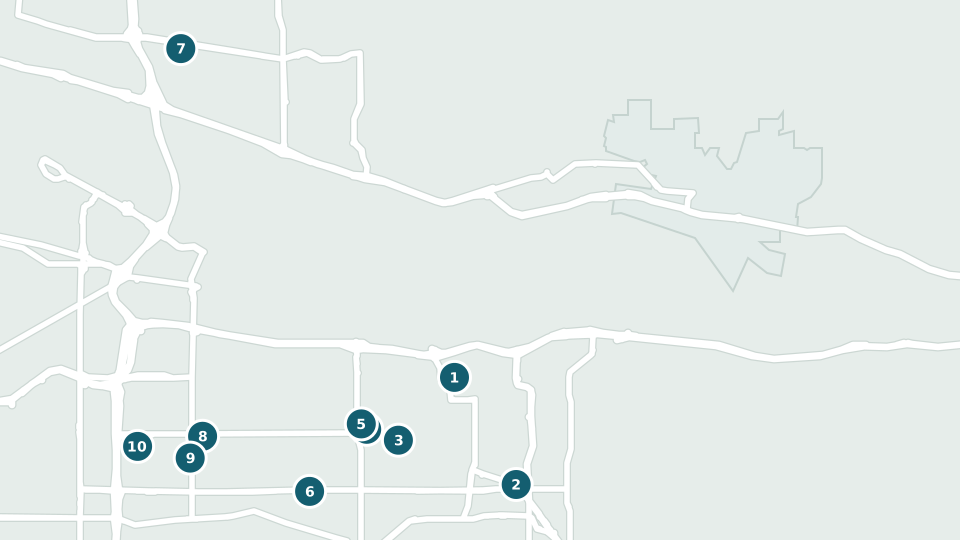
10 options near Washougal, WA, nearest first. Compare services and locations, then call to check availability.
Call (833) 659-6966Ask about your optionsThis number connects to our central helpline, not directly to a listed facility.
Check which services are available for your needs.
Confirm payment options and any waiting time directly.
Ask what information the program needs from you.
If you are looking for a substance use treatment program near Washougal, it helps to know what to ask before your first visit. When you call, you can ask what levels of care the program offers, how long each one lasts, and whether the program can serve your situation or refer you somewhere that can. It is also fair to ask about costs, what insurance is accepted, and whether there is a waitlist.
Many people who search for care from Washougal look toward the Portland metro area, where treatment options include programs operated by VA Portland Healthcare System in Fairview, Kaiser Permanente locations in Portland, and Kaiser Permanente Cascade Park in Vancouver, along with other providers such as LifeWorks NW, Portland Metro Treatment Center, Advance Treatment Center LLC, Recovery Works NW LLC, IHC Associates, and Modus Vivendi LLC. At a first appointment, most programs will ask about your health history, your substance use, and your goals so they can figure out the right fit. You do not need to have everything figured out before you call; the staff's job is to help you understand your options.
Call (833) 659-6966
Not every drug rehab center offers the same type of care, so it helps to understand the common categories before calling. At the most intensive end is inpatient rehab, where housing, meals, and treatment all happen in one place. A step down from that is a day treatment or partial hospitalization program, which is nearly as many hours of care but lets you return home each night.
Intensive outpatient care offers several sessions a week with more flexibility, and standard outpatient services offer the lightest schedule. Some people also begin with a period of supervised withdrawal management before moving into ongoing treatment. When you call a program, ask which of these levels they actually provide, since many facilities focus on just one or two.
Call (833) 659-6966Check which services each program reports offering.
Consider travel distance and whether care is in person or remote.
Ask the program directly about payment and coverage.
Confirm how to contact the program and what to expect.
Before committing to any rehab program, ask the same core questions of each one so you can compare answers. Start with the basics: what levels of care they provide, whether they have immediate openings, and what the admission process involves. Ask about treatment methods, whether medication is part of their approach, and how they handle co-occurring mental health conditions.
Get specifics on cost, insurance participation, and possible additional charges. Ask about visitation, phone access, and family involvement if those matter to you. It is also fair to ask what their aftercare and relapse support look like once the formal program ends.
Payment for care at drug rehab centers in Washington State generally comes from a few common sources. Private insurance is one of the most frequently used, and reviewing the specifics of a policy with the insurance company helps clarify which addiction treatment services are covered and at what cost to the member. Public coverage, including Medicaid, may be available to those who qualify, and eligibility along with the range of covered services should be confirmed before committing to a program.
Residents who are uninsured or underinsured often find that sliding-scale fees, which adjust to household income, make treatment more affordable, while others choose to self-pay for the services they need.
When choosing between drug rehab centers near you, start with fit rather than convenience. Ask whether each program has experience treating the substance and pattern of use you are dealing with, since some centers specialize. Compare the intensity of care available and whether you can move between levels if your needs change.
Look at what a normal day involves: how much is group therapy, how much is individual counseling, and what other services are included. Ask about family involvement, relapse support, and what the program does to help you continue care after discharge. Get a clear answer on cost, insurance participation, and any extra charges.
A program that explains these details openly and gives you time to decide is showing you how it treats people.
If you are looking for a substance use treatment program near Washougal, it helps to know what to ask before your first visit.

Emergencies connected to drug use need fast action, so treat them as emergencies first and treatment questions second. Call 911 for any suspected overdose, severe withdrawal reaction, or situation where someone may harm themselves or others. Stay with the person until help arrives if it is safe to do so.
For non-medical crises, the 988 Suicide and Crisis Lifeline provides free, confidential support by phone or text, day or night. Once the person is safe and stable, you can take time to compare rehab centers and plan ongoing care.
If you or someone else is in immediate danger, call 911 now.
Call (833) 659-69661800 NE Market Drive, Fairview, OR, 97024
Active
1217 NE Burnside Road, Suite 701, Building D, Gresham, OR, 97030
Active
19500 SE Starks Street, Portland, OR, 97233
Active
18417 SE Oak Street, Portland, OR, 97233
Active
18210 East Burnside Street, Suite A, Portland, OR, 97233
Active
16420 Southeast Division Street, Portland, OR, 97236
Active
12607 SE Mill Plain Boulevard, Vancouver, WA, 98684
Active
12612 SE Stark Street, Portland, OR, 97233
Active
1441 SE 122nd Avenue, Suite D, Portland, OR, 97233
Active
10230 SE Cherry Blossom Drive, Portland, OR, 97216
Active
Ask what levels of care the program offers, what a first appointment involves, what it costs, and which insurance plans they accept. You can also ask whether there is a waitlist and whether they can refer you elsewhere if they are not the right fit. There is no wrong question to ask before you go.
No. A first appointment is a chance for the program to learn about your situation and for you to learn what they offer. Staff will ask about your health history and goals and will explain which options might fit, so you can decide together what comes next.
Start with an honest picture of your situation: how often you use, whether you have tried to stop before, and what support you have at home. Then contact a few programs and ask for an assessment, which is how they match you to a level of care. You can also ask your primary care doctor for referrals. Comparing more than one program gives you a better sense of what fits.
Short programs may last about a month, longer residential stays often run two to three months, and outpatient treatment can continue for six months or more. The level of care matters too: inpatient programs are measured in weeks, while weekly counseling is measured in months. Progress is usually reviewed along the way rather than set in stone at admission. Ask programs how they handle extensions or step-downs if your needs change.
Cost depends on the level of care, the length of the program, and your insurance coverage, so the same program can cost two people very different amounts. The fastest way to a real number is to call with your insurance information in hand and ask for an estimate. Ask about charges beyond the base rate, such as medications, drug testing, or aftercare visits. Programs that will not give you a clear picture of costs before admission deserve extra scrutiny.
Last updated