 National Rehab Helpline
Marriage and Family Solutions LLC
3.8 mi, Madison6131 Nesbitt Road, Suite 200, Madison, WI, 53719
Active
- Outpatient
- Medicaid
- Medicare
- Private insurance
City
No listed facilities are in Verona. The nearest listed facility is 3.8 miles from Verona. Compare the facilities near Verona below; distances are straight-line estimates.
This number connects to our central helpline, not directly to a listed facility.
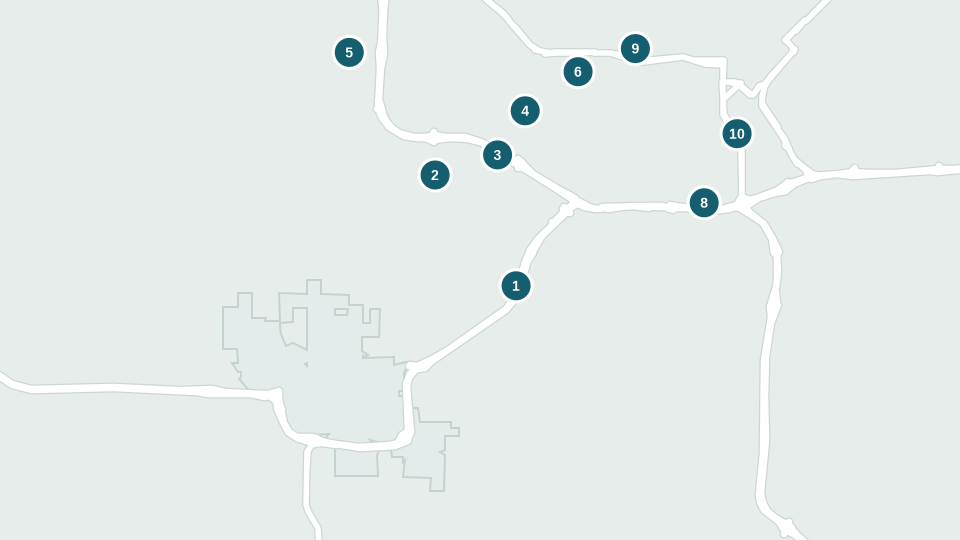
What you can expect when you first contact a program in the Verona area will depend on its services and your needs. Ask which substance use treatments are available, whether you will have an assessment before starting, and what the schedule for counseling or other activities looks like. Call to confirm costs, payment options and any documentation you should bring.
The types of care offered can range from outpatient counseling to more structured programs.

Drug rehab centers typically layer their services, and understanding those layers makes comparison easier. At the lighter end, standard outpatient care involves one or two therapy appointments per week. Stepping up, an intensive outpatient program packs roughly nine or more hours of treatment into multiple days, while a partial hospitalization program can run five days a week for much of the day.
Full residential or inpatient rehab has you staying on site, usually from a few weeks to ninety days, with housing, meals, and daily programming included. Detoxification services, when offered, provide medical supervision during withdrawal, sometimes followed directly by a residential stay. Medication-assisted treatment may run alongside any of these levels, pairing FDA-approved medications with behavioral therapy.
When you call a center, ask whether you would start at one level and move between levels as your needs change.
Before committing to a program, a phone call can surface the details that brochures leave out. Good questions include: Is detox available on site or through a partner, and is it medically supervised? What does a typical day look like for someone in the program?
Which therapies do you use, and is treatment tailored to each person or standardized? On the financial side, ask which insurers they are in-network with, whether they offer payment plans or sliding-scale fees, and what happens to your spot if insurance stops covering partway through. You should also ask about aftercare: what support exists after the formal program ends, and do they help with relapse prevention planning?
Practical logistics matter too, so ask about visitation rules, phone access, whether you can keep prescribed medications, and how they accommodate work or school obligations. Ending with 'What should I bring?' and 'When could I start?' keeps the conversation concrete.
For those seeking treatment at drug rehab centers in Wisconsin, payment options typically include private insurance from major carriers, which often covers a portion of the costs for detox, inpatient, and outpatient services. Wisconsin residents may access public funding through BadgerCare Plus or Medicare, but eligibility must be confirmed with the respective program. Facilities commonly provide sliding-scale fees to reduce costs for uninsured or underinsured individuals, and many accept direct self-pay arrangements.
Always check with the treatment center to confirm which insurance plans or public programs they are currently contracted with, as this can change over time.
Comparing rehab options works best when you apply the same criteria to each one. Start with the match between your needs and their services: someone managing withdrawal needs medical detox, while someone with a stable home life might do well in outpatient care. Verify that the facility holds a current state license, and treat any accreditation from a recognized body as a plus.
Ask what a treatment plan looks like: individualized plans that adapt over time are preferable to identical packages for everyone. Check whether they treat co-occurring mental health conditions like depression or anxiety alongside addiction, since these often travel together. Weigh the practical factors of cost, insurance participation, location relative to your support network, and work or childcare flexibility.
Pay attention to how admission staff treat you on the phone; dismissive or high-pressure callers often reflect the culture behind them. Finally, ask about aftercare and relapse prevention, because treatment does not end at discharge.
What you can expect when you first contact a program in the Verona area will depend on its services and your needs.

Emergency situations connected to drug use require fast action, and knowing the steps ahead of time helps. For any life-threatening event, including suspected overdose, uncontrolled vomiting with confusion, seizures, injuries, or any threat of self-harm, dial 911 immediately and tell the dispatcher exactly what substance was involved if you know it. Do not wait to see whether symptoms improve on their own.
For poisoning questions that are not immediately life-threatening, Poison Control at 1-800-222-1222 offers free, confidential guidance from specialists. For emotional crises, including suicidal thoughts or severe panic, the 988 Suicide and Crisis Lifeline provides support by call or text, day or night. Families in crisis can also reach out to these lines for guidance on getting a reluctant person into care.
After the immediate danger is handled, ask the hospital or crisis line staff for referrals to local drug rehab centers and assessment services.
If you or someone else is in immediate danger, call 911 now.
6131 Nesbitt Road, Suite 200, Madison, WI, 53719
Active
1015 Gammon Lane, Madison, WI, 53719
Active
49 Kessel Court, Suite 105, Madison, WI, 53711
Active
406 Science Drive, Suite 110, Madison, WI, 53711
Active
708 Heartland Trail, Suite 3000, Madison, WI, 53717
Active
313 Price Place, Suite 208, Madison, WI, 53705
Active
1409 Emil Street, Suite 100, Madison, WI, 53713
Active
1409 Emil Street, Suite 100, Madison, WI, 53713
Active
600 Highland Avenue, MC 7653, Madison, WI, 53792
Active
810 West Olin Avenue, Madison, WI, 53715
Active
These lists use only what the 10 active facilities listed for Verona report to SAMHSA's FindTreatment.gov. No facility pays to be included or can ask to be moved. Reporting more options is not a measure of quality, outcomes or suitability for any person. A missing option means the facility did not report it to the source, not that it is not offered. Call the facility to confirm everything before relying on it.
How this list is made: each facility scores one point for each of these 5 levels of care (settings) it reports to SAMHSA's FindTreatment.gov (Residential (24-hour); Outpatient; Intensive outpatient; Partial hospitalization / day treatment; Hospital inpatient). A facility needs at least 3 to appear. Facilities are shown from the highest count to the lowest; facilities with the same count are in alphabetical order, which has no other meaning. Up to 10 are shown.
How this list is made: each facility scores one point for each of these 7 payment and cost-assistance options it reports to SAMHSA's FindTreatment.gov (Medicaid; Medicare; Private health insurance; Military insurance (TRICARE); Cash or self-payment; Sliding fee scale; Payment assistance). A facility needs at least 4 to appear. Facilities are shown from the highest count to the lowest; facilities with the same count are in alphabetical order, which has no other meaning. Up to 10 are shown.
How this list is made: each facility scores one point for each of these 4 medications used in treatment it reports to SAMHSA's FindTreatment.gov (Buprenorphine; Methadone; Naltrexone; Medication for alcohol use disorder). A facility needs at least 2 to appear. Facilities are shown from the highest count to the lowest; facilities with the same count are in alphabetical order, which has no other meaning. Up to 10 are shown.
How this list is made: each facility scores one point for each of these 12 age groups and client groups accepted it reports to SAMHSA's FindTreatment.gov (Adolescents; Young adults; Adults; Seniors; Pregnant or postpartum women; Adult women; Adult men; Veterans; Active duty military; Criminal justice clients; Clients who have experienced trauma; Co-occurring mental and substance use disorders). A facility needs at least 5 to appear. Facilities are shown from the highest count to the lowest; facilities with the same count are in alphabetical order, which has no other meaning. Up to 10 are shown.
A medical or clinical assessment can help match you with the most appropriate level of care. When you call a program, ask whether they provide evaluations and how they recommend a treatment plan.
Questions you might ask include: what types of addiction treatment do you offer, are you accepting new clients, what are the hours and location, and what costs or insurance plans do you accept.
Not necessarily, since many programs are built around work schedules. Intensive outpatient and standard outpatient programs hold sessions in the mornings, evenings, or on weekends specifically so people can keep working. Residential treatment does require living at the facility, so that option usually means taking leave, using vacation time, or in some cases invoking job-protected leave such as FMLA. Ask each program about its scheduling before you decide.
Days are usually structured from morning to evening with a set schedule. A common pattern includes waking at a consistent time, breakfast, a morning counseling group or educational session, lunch, afternoon individual or group therapy, free time for exercise or reflection, dinner, and an evening peer meeting or activity. Days may also include appointments with medical staff, life-skills sessions, or time for personal reflection. The predictability of the schedule is intentional, since structure supports early recovery.
Yes, returning to treatment after a relapse is common and does not mean rehab failed or that you are beyond help. Relapse is a recognized part of recovery for many people, and programs routinely admit people who have been through treatment before. A second or third stay can succeed where earlier attempts did not, especially if the program better matches your needs, treats underlying mental health issues, or uses approaches like medication-assisted treatment that were not tried previously. Tell any new program about your treatment history so they can adjust your plan.
Last updated