 National Rehab Helpline
Heartland Counseling Services Inc
1.3 mi, South Sioux City1201 Arbor Drive, South Sioux City, NE, 68776
Active
- Outpatient
- Medication-assisted treatment
- Medicaid
- Medicare
City
10 options near South Sioux City, NE, nearest first. Compare services and locations, then call to check availability.
This number connects to our central helpline, not directly to a listed facility.
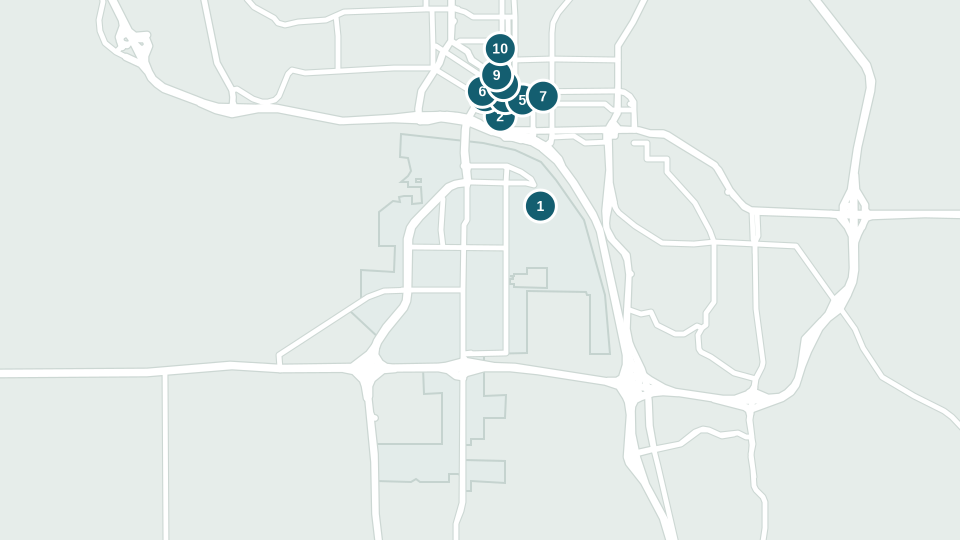
When you contact a drug rehab center, ask what happens during an intake appointment and what services are available. Programs in the South Sioux City area include Heartland Counseling Services Inc and Roots Substance Abuse Counseling LLC. Call to confirm whether the program offers assessments, counseling or other support, and what you need to bring or prepare before your first visit.

Most drug rehab centers organize treatment into stepped levels of care. Detox provides medical supervision while substances clear your body, residential programs have you live at the facility for round-the-clock support, and partial hospitalization offers full-day treatment while you sleep at home. Below that sit intensive outpatient programs, which meet several hours a day on multiple days per week, and standard outpatient care, which schedules a few sessions around work or family life.
Some centers also run sober living homes that bridge the gap between a residential stay and independent living.
Ask the intake coordinator what levels of care the center actually offers, since some facilities only run outpatient programs while others include detox and residential beds. Ask which insurance plans they accept and what a self-pay rate looks like. Ask whether they can prescribe medication for opioid or alcohol use disorder, because not every center offers it.
Ask what a typical daily schedule includes, how long the program runs, and whether they help arrange aftercare or a referral when you finish.
Paying for drug rehab in Nebraska often involves private insurance, public health coverage like Nebraska Medicaid (subject to eligibility verification), or self-pay and sliding-scale fee structures based on income. Since accepted payment methods differ by facility, always confirm directly with the center to understand your financial options and any required documentation for insurance or subsidized care.
Start with the kinds of care relevant to your needs.
Check each program’s listed services, location and contact details.
Contact a program to confirm availability, costs and the next step.
Start by matching the program to what you actually need: someone with a long history of relapse or an unstable home situation often does better starting in residential care, while a stable job and supportive family can make outpatient work. Check that the staff hold relevant credentials and that the program uses recognized approaches like cognitive behavioral therapy or medication-assisted treatment rather than vague promises. Ask for a clear written cost breakdown before you commit, including what insurance covers and what it does not.
Visit in person if you can, and pay attention to whether the facility feels clean, organized, and staffed by people who answer questions directly.
When you contact a drug rehab center, ask what happens during an intake appointment and what services are available.

If someone is in immediate danger, such as a suspected overdose, severe withdrawal, chest pain, difficulty breathing, or any threat of self-harm, call 911 right away rather than waiting to contact a rehab center. Tell the dispatcher exactly what happened, what substances were involved if you know, and whether the person is conscious. Emergency rooms can stabilize the medical crisis and are often the fastest route to an assessment that leads to treatment.
You can also call or text 988 for the Suicide and Crisis Lifeline any time you or someone you care about needs urgent support.
If you or someone else is in immediate danger, call 911 now.
1201 Arbor Drive, South Sioux City, NE, 68776
Active
201 Pierce Street, Suite 110, Sioux City, IA, 51101
Active
205 5th Street, Sioux City, IA, 51101
Active
505 5th Street, Suite 100, Sioux City, IA, 51101
Active
800 5th Street, Suite 200, Sioux City, IA, 51101
Active
125 6th Street, Sioux City, IA, 51103
Active
1115 5th Street, Sioux City, IA, 51101
Active
700 Pierce Street, Sioux City, IA, 51101
Active
822 Douglas Street, Suites 201-209, Sioux City, IA, 51101
Active
1221 Pierce Street, Sioux City, IA, 51105
Active
These lists use only what the 10 active facilities listed for South Sioux City report to SAMHSA's FindTreatment.gov. No facility pays to be included or can ask to be moved. Reporting more options is not a measure of quality, outcomes or suitability for any person. A missing option means the facility did not report it to the source, not that it is not offered. Call the facility to confirm everything before relying on it.
How this list is made: each facility scores one point for each of these 7 payment and cost-assistance options it reports to SAMHSA's FindTreatment.gov (Medicaid; Medicare; Private health insurance; Military insurance (TRICARE); Cash or self-payment; Sliding fee scale; Payment assistance). A facility needs at least 4 to appear. Facilities are shown from the highest count to the lowest; facilities with the same count are in alphabetical order, which has no other meaning. Up to 10 are shown.
How this list is made: each facility scores one point for each of these 4 medications used in treatment it reports to SAMHSA's FindTreatment.gov (Buprenorphine; Methadone; Naltrexone; Medication for alcohol use disorder). A facility needs at least 2 to appear. Facilities are shown from the highest count to the lowest; facilities with the same count are in alphabetical order, which has no other meaning. Up to 10 are shown.
How this list is made: each facility scores one point for each of these 12 age groups and client groups accepted it reports to SAMHSA's FindTreatment.gov (Adolescents; Young adults; Adults; Seniors; Pregnant or postpartum women; Adult women; Adult men; Veterans; Active duty military; Criminal justice clients; Clients who have experienced trauma; Co-occurring mental and substance use disorders). A facility needs at least 5 to appear. Facilities are shown from the highest count to the lowest; facilities with the same count are in alphabetical order, which has no other meaning. Up to 10 are shown.
Ask about the types of counseling or treatment offered, how appointments are scheduled, and what you need to bring to an intake visit.
Several programs serve the South Sioux City area, including Heartland Counseling Services Inc in South Sioux City and other providers in nearby Sioux City such as Roots Substance Abuse Counseling LLC, Siouxland Mental Health Center, Sky Ranch Behavioral Services, Rosecrance Jackson Centers, Ponca Tribe of Nebraska, and Family Wellness Associates. Call each program to confirm which services they offer.
It depends on the level of care and your needs. Detox often takes under a week, residential programs commonly run 30 to 90 days, and outpatient care can stretch over several months of weekly sessions. A good program will assess you first and recommend a length based on your situation rather than a fixed number.
Not always. Many people attend intensive outpatient or standard outpatient programs in the evening or early morning so they can keep working. Residential treatment does require you to live at the facility, but the federal Family and Medical Leave Act may protect your job while you take time for treatment. It is worth asking an intake coordinator which schedules would fit your work situation.
Expect an intake assessment where a counselor or nurse asks about your substance use, medical history, and mental health. You will usually get a tour, have your belongings checked against facility rules, and be assigned a counselor or case manager. The first day is mostly paperwork, orientation, and getting settled, with your treatment plan built in the days that follow.
Last updated