 National Rehab Helpline
315 West McLain Drive, Sherman, TX, 75092
Active
- Outpatient
- Medication-assisted treatment
- Medicaid
- Medicare
City
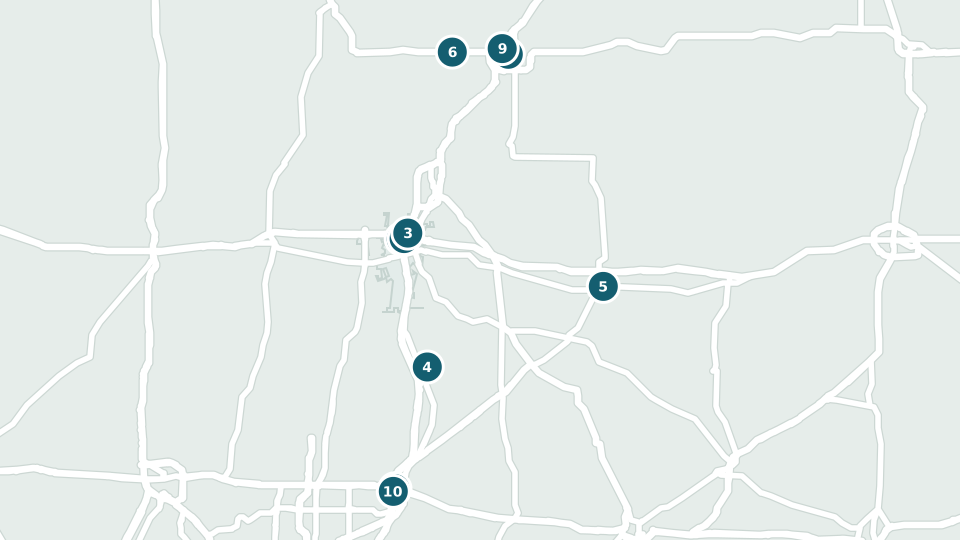
10 options near Sherman, TX, nearest first. Compare services and locations, then call to check availability.
Call (833) 659-6966Ask about your optionsThis number connects to our central helpline, not directly to a listed facility.
Check which services are available for your needs.
Confirm payment options and any waiting time directly.
Ask what information the program needs from you.
When you first reach out to a treatment program, it helps to know what to ask so you can figure out if it's a good fit. Many centers in and around Sherman, TX, such as Texoma Community Center and Texoma Medical Center, offer an initial assessment to understand your situation and recommend next steps. You can ask about the level of care provided, whether outpatient or residential, and what a typical day looks like.
It's also reasonable to ask about the credentials of the clinical staff, how family involvement is handled, and what insurance or payment options are accepted. Other nearby programs like Lakes Regional Community Center, Enterhealth Life Recovery Center, and Brighter Heights Oklahoma may have different approaches, so comparing their answers can help you make an informed choice. If a program is farther away, such as Southern Oklahoma Treatment Services in Mead or Lighthouse Behavioral Wellness Centers in Durant, confirm travel expectations and whether telehealth visits are available.
You can also ask about aftercare planning and how the program coordinates with your regular doctor or counselor. Remember that a first visit is usually about gathering information, not making a final commitment, so take your time and write down any questions you have ahead of time.
Call (833) 659-6966
Drug rehab centers typically offer several levels of care, and knowing the main ones helps you figure out where to start. The most structured option is inpatient or residential treatment, where you live at the facility for the length of the program. Partial hospitalization and intensive outpatient programs let you live at home while attending treatment for many hours each week.
Standard outpatient care involves fewer weekly sessions and works best when you have a stable home environment. Some programs also include medically supervised withdrawal care at the start, though this depends on the facility. The right level depends on how long you have been using, your health, and what support you have at home.
Call (833) 659-6966Check which services each program reports offering.
Consider travel distance and whether care is in person or remote.
Ask the program directly about payment and coverage.
Confirm how to contact the program and what to expect.
When you call a drug rehab center for the first time, it helps to have a list ready. Ask which levels of care they offer and how they decide which one fits you. Ask how long the program lasts and what a typical day or week looks like.
Find out whether they treat mental health conditions alongside addiction, and what therapies they use. Ask about total cost, what insurance they accept, and any extra fees. Finally, ask what happens after the program ends, including relapse support and referrals to ongoing care.
Writing down the answers lets you compare programs fairly.
Patients entering Texas drug rehab centers commonly pay through private insurance, public coverage, or direct self-pay. Private insurance plans, whether from an employer or the marketplace, often include behavioral health benefits for substance use treatment, but you must confirm with both your insurer and the specific center whether your plan is accepted and what costs are covered. For those who qualify, government-funded options such as Texas Medicaid or Medicare may be available, but acceptance depends on the facility and the patient’s eligibility status.
Sliding-scale fees, which adjust costs based on household income, are another option at some facilities. Self-pay is also accepted in most cases, and some centers offer discounts for upfront payment or payment plans. Always check with the program to discuss your specific financial situation before committing to a stay.
Comparing drug rehab centers comes down to a few practical criteria. First, check whether the program offers the level of care you need, whether that is residential, intensive outpatient, or standard outpatient. Second, ask how long the program lasts and what a typical weekly schedule looks like.
Third, find out what the treatment actually includes, such as individual counseling, group therapy, medication support, or family involvement. Fourth, ask about cost and what insurance the program accepts before you commit. Finally, consider logistics like distance from home, whether family can be involved, and what happens after the program ends.
A center that answers these questions clearly and without pressure is usually easier to work with.
When you first reach out to a treatment program, it helps to know what to ask so you can figure out if it's a good fit.

If someone is in immediate danger, such as an overdose, a serious injury, or a mental health crisis, call 911 right away. Emergency responders can provide medical care on the scene and transport the person to a hospital. You can also call or text 988, the national Suicide and Crisis Lifeline, which connects you to trained crisis counselors any time of day.
Do not wait to see whether the situation resolves on its own when a life may be at risk. Once the immediate emergency is handled, you can explore longer-term treatment options.
If you or someone else is in immediate danger, call 911 now.
Call (833) 659-6966315 West McLain Drive, Sherman, TX, 75092
Active
2601 North Cornerstone Drive, Sherman, TX, 75092
Active
809 Gallagher Drive, Sherman, TX, 75092
Active
524 North Lincoln Park Road, Van Alstyne, TX, 75495
Active
410 West Sam Rayburn Drive, Bonham, TX, 75418
Active
5912 Highway 70 East, Mead, OK, 73449
Active
128 North 12th Street, Durant, OK, 74701
Active
1515 Heritage Drive, McKinney, TX, 75069
Active
2425 West University Boulevard, Durant, OK, 74701
Active
1216 North Central Expressway, Suite 104, McKinney, TX, 75070
Active
For a first visit, you can expect to provide basic information about your health history, any current medications, and a summary of your concerns. It helps to bring a photo ID, your insurance card, and a list of any prescriptions or supplements you take. You may also want to write down questions about program length, types of therapy, and what happens after you complete treatment. The clinical team will use this information to recommend a level of care that fits your needs.
Many centers invite you to tour the facility and speak with admissions staff before you commit. This gives you a chance to see the environment, meet some of the team, and ask about daily schedules, group therapy, and discharge planning. You can also ask whether they provide outpatient options or referrals to other local resources if you decide a different setting is better for you.
Most programs begin with an assessment where a counselor or clinician asks about your substance use, health history, and living situation. Based on that conversation, they recommend a level of care, such as residential, intensive outpatient, or standard outpatient. You are free to ask questions and compare options before committing. Many people also involve a family member or trusted friend in the process.
It varies widely. Some programs are around 30 days, while others run 60, 90 days, or longer, and outpatient care can continue for months. The right length depends on the severity of the substance use, your history with treatment, and what you can practically manage. Longer stays are not automatically better, but research generally supports more time in treatment rather than less. Ask each program how they decide when someone is ready to step down.
Calling the program directly is the best way to get accurate cost information, but you can prepare by gathering your insurance card first. Ask whether the program is in network, what your out-of-pocket costs would be, and whether there are extra fees beyond the daily or weekly rate. If you do not have insurance, ask whether the center offers payment plans or a sliding scale. Get any cost estimates in writing before you enroll.
Last updated