 National Rehab Helpline
8912 Volunteer Lane, Sacramento, CA, 95826
Active
- Outpatient
- Medicare
City
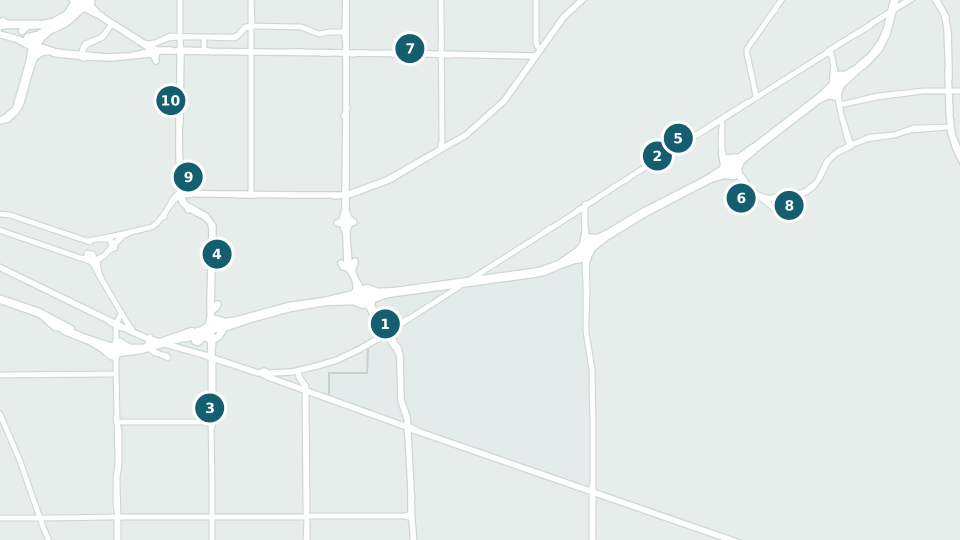
10 options near Rosemont, CA, nearest first. Compare services and locations, then call to check availability.
Call (833) 659-6966Ask about your optionsThis number connects to our central helpline, not directly to a listed facility.
Check which services are available for your needs.
Confirm payment options and any waiting time directly.
Ask what information the program needs from you.
When you call a drug rehab center in the Rosemont area, you can ask about the types of outpatient counseling or recovery services they offer. For example, some programs may provide individual or group therapy sessions. You can also ask what a typical appointment or first visit looks like, how long sessions last, and what paperwork you might need to bring.
It is also reasonable to ask if they offer care for adolescents or adults, and whether their services are provided in English or another language. The facilities listed here have names like Bridges Outpatient Treatment Services, Recovery Happens Counseling Services, and Better Decisions Counseling; they are located in nearby cities such as Sacramento and Rancho Cordova. You should always confirm current hours, program details, and any specific requirements directly with the program you are considering.
Call (833) 659-6966
Drug rehab centers typically offer several levels of care, and knowing the main ones helps you figure out where to start. The most structured option is inpatient or residential treatment, where you live at the facility for the length of the program. Partial hospitalization and intensive outpatient programs let you live at home while attending treatment for many hours each week.
Standard outpatient care involves fewer weekly sessions and works best when you have a stable home environment. Some programs also include medically supervised withdrawal care at the start, though this depends on the facility. The right level depends on how long you have been using, your health, and what support you have at home.
Call (833) 659-6966Check which services each program reports offering.
Consider travel distance and whether care is in person or remote.
Ask the program directly about payment and coverage.
Confirm how to contact the program and what to expect.
When you call a drug rehab center for the first time, it helps to have a list ready. Ask which levels of care they offer and how they decide which one fits you. Ask how long the program lasts and what a typical day or week looks like.
Find out whether they treat mental health conditions alongside addiction, and what therapies they use. Ask about total cost, what insurance they accept, and any extra fees. Finally, ask what happens after the program ends, including relapse support and referrals to ongoing care.
Writing down the answers lets you compare programs fairly.
Private health insurance is a common funding source for admission to drug rehab centers throughout California, but individuals must check their plan’s behavioral health coverage and any out-of-pocket expenses. Public programs like Medi-Cal may apply to low-income residents, though not all rehabilitation facilities accept this coverage, requiring direct confirmation from the center. Sliding-scale fees are offered by certain treatment providers, adjusting charges according to financial need, and self-pay is available for those able to pay the full amount upfront.
It is crucial to inquire about payment terms with each facility to understand all viable options.
Start with the kinds of care relevant to your needs.
Check each program’s listed services, location and contact details.
Contact a program to confirm availability, costs and the next step.
Comparing drug rehab centers comes down to a few practical criteria. First, check whether the program offers the level of care you need, whether that is residential, intensive outpatient, or standard outpatient. Second, ask how long the program lasts and what a typical weekly schedule looks like.
Third, find out what the treatment actually includes, such as individual counseling, group therapy, medication support, or family involvement. Fourth, ask about cost and what insurance the program accepts before you commit. Finally, consider logistics like distance from home, whether family can be involved, and what happens after the program ends.
A center that answers these questions clearly and without pressure is usually easier to work with.
When you call a drug rehab center in the Rosemont area, you can ask about the types of outpatient counseling or recovery services they offer.

If someone is in immediate danger, such as an overdose, a serious injury, or a mental health crisis, call 911 right away. Emergency responders can provide medical care on the scene and transport the person to a hospital. You can also call or text 988, the national Suicide and Crisis Lifeline, which connects you to trained crisis counselors any time of day.
Do not wait to see whether the situation resolves on its own when a life may be at risk. Once the immediate emergency is handled, you can explore longer-term treatment options.
If you or someone else is in immediate danger, call 911 now.
Call (833) 659-69668912 Volunteer Lane, Sacramento, CA, 95826
Active
9983 Folsom Boulevard, Sacramento, CA, 95827
Active
3600 Power Inn Road, Suite C, Sacramento, CA, 95826
Active
100 Howe Avenue, Sacramento, CA, 95825
Active
10089 Folsom Boulevard, Suite A, Rancho Cordova, CA, 95670
Active
10366 Rockingham Drive, Sacramento, CA, 95827
Active
1708 Ladino Road, Sacramento, CA, 95864
Active
10535 Hospital Way, Mather, CA, 95655
Active
650 Howe Avenue, Building 400-B, Sacramento, CA, 95825
Active
2020 Hurley Way, Suite 145-B, Sacramento, CA, 95825
Active
The centers near Rosemont appear to focus on outpatient treatment and counseling services. Without detailed program descriptions from the facilities themselves, the best next step is to call each center directly to ask about their specific treatment approach, schedule, and eligibility requirements.
This can vary by program. Some counseling centers accept self-referrals while others may require a referral from a doctor or county agency. Contact the facility you are interested in to learn about their intake process and any required paperwork.
Most programs begin with an assessment where a counselor or clinician asks about your substance use, health history, and living situation. Based on that conversation, they recommend a level of care, such as residential, intensive outpatient, or standard outpatient. You are free to ask questions and compare options before committing. Many people also involve a family member or trusted friend in the process.
It varies widely. Some programs are around 30 days, while others run 60, 90 days, or longer, and outpatient care can continue for months. The right length depends on the severity of the substance use, your history with treatment, and what you can practically manage. Longer stays are not automatically better, but research generally supports more time in treatment rather than less. Ask each program how they decide when someone is ready to step down.
Calling the program directly is the best way to get accurate cost information, but you can prepare by gathering your insurance card first. Ask whether the program is in network, what your out-of-pocket costs would be, and whether there are extra fees beyond the daily or weekly rate. If you do not have insurance, ask whether the center offers payment plans or a sliding scale. Get any cost estimates in writing before you enroll.
Last updated