 National Rehab Helpline
200 Marriot Drive, Portland, TX, 78374
Active
- Outpatient
- Medication-assisted treatment
- Medicaid
- Medicare
City
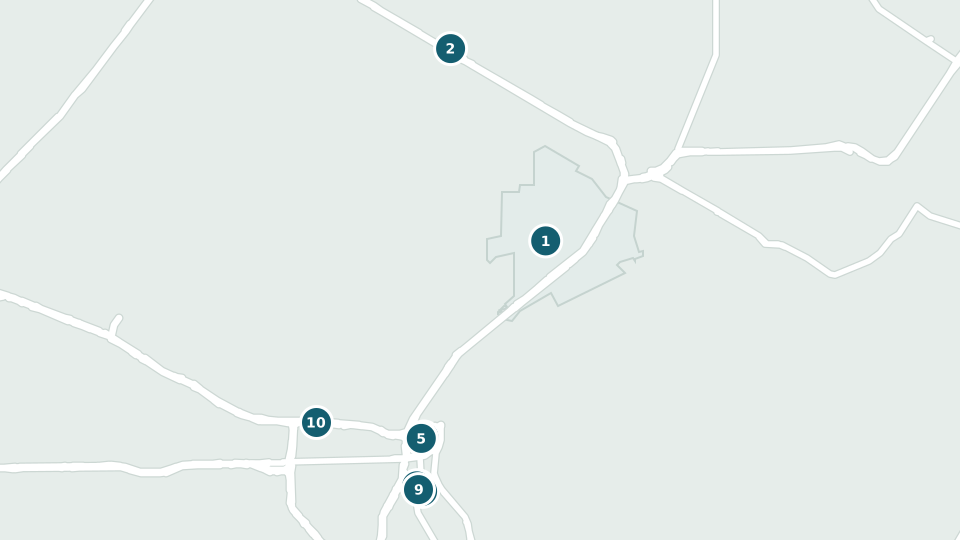
10 options near Portland, TX, nearest first. Compare services and locations, then call to check availability.
Call (833) 659-6966Ask about your optionsThis number connects to our central helpline, not directly to a listed facility.
Check which services are available for your needs.
Confirm payment options and any waiting time directly.
Ask what information the program needs from you.
If you are looking into drug rehab centers, you may wonder what to expect when you first contact a program. Most centers begin with a phone call or an in-person meeting where a staff member will ask about your situation. They typically want to know what substances have been involved, how long you have been using, and whether you have any medical or mental health conditions.
This initial conversation helps the program recommend the right level of care, whether that is an outpatient clinic you visit a few times a week or a more intensive residential stay. Since every person is different, a good program will take the time to listen and then explain their treatment options clearly. They may also help you understand what documents you need to bring, what a typical day in treatment looks like, and how they handle privacy and confidentiality.
You do not need to have every answer ready; the goal is to learn more about the program and decide if it feels like a good fit for you.
Call (833) 659-6966
Most drug rehab centers organize treatment into stepped levels of care. Detox provides medical supervision while substances clear your body, residential programs have you live at the facility for round-the-clock support, and partial hospitalization offers full-day treatment while you sleep at home. Below that sit intensive outpatient programs, which meet several hours a day on multiple days per week, and standard outpatient care, which schedules a few sessions around work or family life.
Some centers also run sober living homes that bridge the gap between a residential stay and independent living.
Call (833) 659-6966Check which services each program reports offering.
Consider travel distance and whether care is in person or remote.
Ask the program directly about payment and coverage.
Confirm how to contact the program and what to expect.
Ask the intake coordinator what levels of care the center actually offers, since some facilities only run outpatient programs while others include detox and residential beds. Ask which insurance plans they accept and what a self-pay rate looks like. Ask whether they can prescribe medication for opioid or alcohol use disorder, because not every center offers it.
Ask what a typical daily schedule includes, how long the program runs, and whether they help arrange aftercare or a referral when you finish.
Paying for care at Texas drug rehab centers typically relies on a combination of private health insurance, government-funded programs, and out-of-pocket options. Most private insurers—including employer-based and individual plans—cover at least part of addiction treatment, but coverage levels vary, so verifying benefits directly with the center and your insurer is essential. For eligible individuals, federal programs like Medicare and state-managed Medicaid may provide coverage, though acceptance is facility-specific and requires confirmation of eligibility.
Many centers also offer sliding-scale fees based on income, and most accept self-pay, which can sometimes be reduced through negotiated rates or payment plans. Always ask each facility about its current financial options before admission to avoid surprises.
Start with the kinds of care relevant to your needs.
Check each program’s listed services, location and contact details.
Contact a program to confirm availability, costs and the next step.
Start by matching the program to what you actually need: someone with a long history of relapse or an unstable home situation often does better starting in residential care, while a stable job and supportive family can make outpatient work. Check that the staff hold relevant credentials and that the program uses recognized approaches like cognitive behavioral therapy or medication-assisted treatment rather than vague promises. Ask for a clear written cost breakdown before you commit, including what insurance covers and what it does not.
Visit in person if you can, and pay attention to whether the facility feels clean, organized, and staffed by people who answer questions directly.
If you are looking into drug rehab centers, you may wonder what to expect when you first contact a program.

If someone is in immediate danger, such as a suspected overdose, severe withdrawal, chest pain, difficulty breathing, or any threat of self-harm, call 911 right away rather than waiting to contact a rehab center. Tell the dispatcher exactly what happened, what substances were involved if you know, and whether the person is conscious. Emergency rooms can stabilize the medical crisis and are often the fastest route to an assessment that leads to treatment.
You can also call or text 988 for the Suicide and Crisis Lifeline any time you or someone you care about needs urgent support.
If you or someone else is in immediate danger, call 911 now.
Call (833) 659-6966200 Marriot Drive, Portland, TX, 78374
Active
201 Roots Avenue, Taft, TX, 78390
Active
907 Antelope Street, Corpus Christi, TX, 78401
Active
1024 Leopard Street, Suite E, Corpus Christi, TX, 78401
Active
1024 Leopard Street, Suite C, Corpus Christi, TX, 78401
Active
1602 10th Street, Corpus Christi, TX, 78404
Active
1546 South Brownlee Boulevard, Corpus Christi, TX, 78404
Active
1801 South Alameda Street, Suite 150, Corpus Christi, TX, 78404
Active
1642 South Brownlee Boulevard, Corpus Christi, TX, 78404
Active
5233 Interstate Highway 37, Suite C-17, Corpus Christi, TX, 78408
Active
During a first visit to a drug rehab center, the program will usually begin with an assessment. A counselor or clinician will ask about your substance use history, your physical and mental health, and any personal goals you have for treatment. This helps the staff understand your situation so they can recommend a level of care that fits your needs, such as outpatient or residential care. You may also be asked about any medications you take and whether you have supportive family or friends nearby.
Not all programs offer the same payment methods. Some clinics accept private insurance or Medicaid, while others use a sliding fee scale based on your income. A few facilities provide free or low-cost care through state or local funding. When you contact a center, ask the intake staff what forms of payment they accept and if they can help you apply for any assistance programs you may qualify for.
It depends on the level of care and your needs. Detox often takes under a week, residential programs commonly run 30 to 90 days, and outpatient care can stretch over several months of weekly sessions. A good program will assess you first and recommend a length based on your situation rather than a fixed number.
Not always. Many people attend intensive outpatient or standard outpatient programs in the evening or early morning so they can keep working. Residential treatment does require you to live at the facility, but the federal Family and Medical Leave Act may protect your job while you take time for treatment. It is worth asking an intake coordinator which schedules would fit your work situation.
Expect an intake assessment where a counselor or nurse asks about your substance use, medical history, and mental health. You will usually get a tour, have your belongings checked against facility rules, and be assigned a counselor or case manager. The first day is mostly paperwork, orientation, and getting settled, with your treatment plan built in the days that follow.
Last updated