This number connects to our central helpline, not directly to a listed facility.
Discover Your Options↗
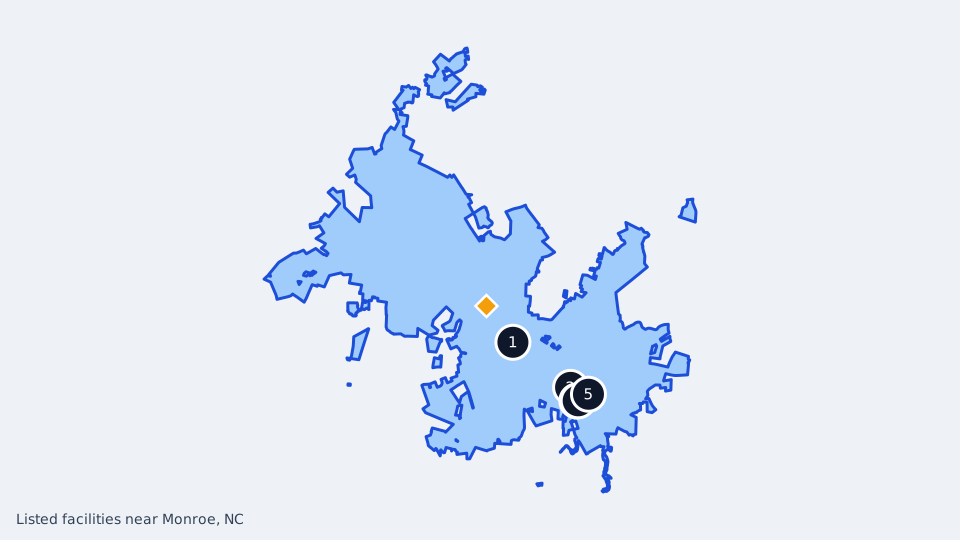
Programs Listed
5
01What to expect from north jersey rehab in Monroe, NC
What to Expect from North Jersey Rehab in Monroe, NC
When you reach out to a drug rehab center in the Monroe area, the first conversation usually happens by phone. A staff member will ask about the substances you have been using, how long you have been using them, and whether you have any other mental health concerns. This helps them figure out which level of care fits your situation. You can ask them the same kinds of questions in return, and it helps to write your questions down before you call.
Some good things to ask about include what a first appointment looks like, how long an assessment takes, and whether family members can be involved in your care. If you are balancing work, school, or childcare, ask how treatment schedules work around those responsibilities. Programs in this area offer different levels of care, including intensive outpatient treatment, which lets you live at home while attending several sessions each week. If you are seeking help alongside a mental health condition such as depression or anxiety, ask whether a program treats both concerns at the same time, sometimes called co-occurring disorder care.
You can also ask whether a program serves people of your gender, whether teens can take part if you are looking for help for a young person, and whether the program holds any third-party accreditation, which is one signal of quality standards. If you need help for a court-related matter, it is fair to ask directly whether a program offers that kind of service. Some programs are accredited by CARF, an independent reviewer of behavioral health organizations, so you can ask about that specifically if accreditation matters to you.
Before your first visit, ask what documents to bring, what the visit will cost or whether your insurance is accepted, and who to contact if your situation changes before the appointment. No reputable program will pressure you to decide on the spot. Take notes during the call so you can compare your options later and choose the program that feels like the right fit.
Types of Addiction Treatment and Rehab Centers and How They Differ
Every level of drug and alcohol treatment serves a different need, so it helps to know what each one actually involves. Residential care means sleeping at the center and following a full daily schedule of therapy and group sessions. Partial hospitalization is a step down, with full days of treatment several days a week before you return home in the evening.
Standard outpatient care is typically one or two sessions per week and works best when your home situation is stable. Sober living homes are another option: they are not treatment itself, but they offer a substance-free place to stay while you attend a program.
Questions to Ask an Addiction Treatment and Rehab Program Before You Commit
Your first conversation with a treatment center is your chance to screen them as much as they screen you. Ask who provides the clinical care and what the staff-to-client ratio is. Ask whether the length of stay is fixed or adjusted to your progress.
Find out what a withdrawal or detox period involves, if that applies, and whether it happens at the same facility or somewhere else. It is also fair to ask about visitation rules, how they handle a return to use during treatment, and what support exists for families. Closing with cost and insurance questions early can save you from falling for a program you cannot afford.
Paying for Outpatient Drug Rehabilitation in Monroe, NC
Paying for addiction treatment in North Carolina usually involves several possible routes, and most drug rehab centers work with more than one form of payment. Private insurance is a common starting point; many commercial plans include coverage for substance use disorder treatment, though the level of coverage, network requirements, and prior authorization rules differ significantly between policies. Residents who meet certain income and eligibility requirements may instead use public programs like Medicaid, but confirming eligibility and accepted coverage with both the state program and the facility is an important step.
Beyond insurance, sliding-scale fees are frequently offered, adjusting the cost of treatment to what a person can realistically afford, and straightforward self-pay arrangements let individuals fund their care directly when other options are not available.
02Choosing the right rehab program near Monroe
Choosing the Right Rehab Program Near Monroe
A good fit usually comes down to a few concrete criteria. Check which levels of care a center provides, since a place that only offers outpatient sessions may not be right if you need 24-hour support, and vice versa. Look at the therapies offered and whether they address mental health alongside substance use.
Ask what a typical stay or schedule involves and how progress is reviewed. Compare out-of-pocket costs across programs and confirm insurance acceptance in writing. The distance from home matters as well, since staying near supportive family can help, while some people do better with more distance from their usual environment.
When you reach out to a drug rehab center in the Monroe area, the first conversation usually happens by phone.
04When to seek urgent help
When to Seek Urgent Help
When a situation involves overdose, serious injury, or any risk of harm, calling 911 is the fastest way to get medical help, and many states have Good Samaritan protections that encourage people to call without fear of certain drug-related penalties. Do not try to transport someone in a medical emergency yourself when responders can arrive faster. For urgent mental health or suicide-related crises, call or text 988 to speak with a trained counselor any time.
Keep these numbers saved in your phone before you need them, and if you are unsure whether a situation is emergent, treat it as one.
05Addiction treatment and rehab centers near Monroe, NC
Addiction Treatment and Rehab Centers Near Monroe, NC
What will I be asked when I first contact a treatment program?
Expect questions about the substances you have been using, how long you have been using them, your health history, and whether you are dealing with any mental health concerns alongside substance use. This information helps staff recommend the right level of care, which might include intensive outpatient treatment that fits around your daily responsibilities. You will not be judged for anything you share, and honest answers lead to a better match between you and a program.
What should I ask a program before I schedule a first visit?
Ask what a first appointment involves, how long it lasts, and what you should bring. If you have another mental health condition, ask whether the program treats co-occurring disorders. Ask whether the program serves your gender or age group, whether it holds accreditation such as CARF, and how treatment schedules fit around work, school, or family duties. It is also fair to ask about costs, insurance, and who to contact if your plans change before the visit.
Will I have to quit my job to attend rehab?
Not necessarily. Outpatient and intensive outpatient programs are built around evening or daytime sessions so that many people keep working while in treatment. Residential programs require you to live at the facility for a set period, which usually means taking time away. If you are unsure which you need, describing your daily obligations to a program during the first call can help you figure out what fits your schedule.
Do rehab centers treat mental health problems at the same time?
Many do, through what is called dual-diagnosis or co-occurring disorder treatment, which addresses conditions like depression, anxiety, or trauma alongside substance use. Treating both at once is often more effective than treating one and waiting on the other. Not every program has this capability, so if mental health is part of your situation, ask directly whether they can treat co-occurring conditions and who provides that care.
What should I bring with me to a residential rehab program?
Most programs provide a packing list, and common items include comfortable clothes, identification, insurance information, and any current medications in their original bottles. Facilities typically restrict certain items, such as anything containing alcohol, non-prescribed substances, and sometimes personal electronics. Reading the list carefully and following it closely makes check-in smoother, and when in doubt, call the admissions office and ask before you pack it.
09Addiction treatment and rehab centers near Monroe: nearby cities and guides
Addiction Treatment and Rehab Centers Near Monroe: Nearby Cities and Guides