 National Rehab Helpline
ReVida Recovery Chattanooga
3.4 mi, Hixson5870 Highway 153, Suite 122, Hixson, TN, 37343
Active
- Outpatient
- Detox
- Medication-assisted treatment
- Medicaid
City
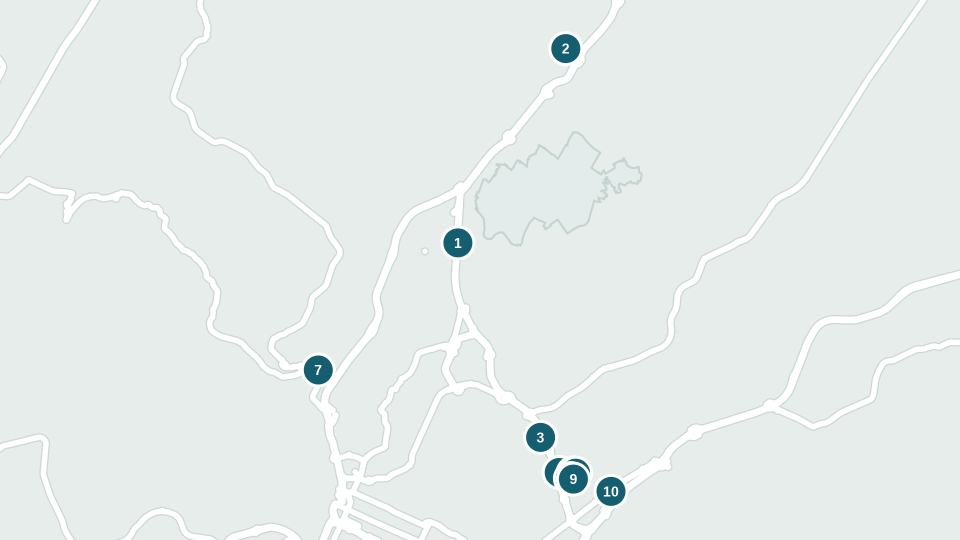
No listed facilities are in Middle Valley. The nearest listed facility is 3.4 miles from Middle Valley. Compare the facilities near Middle Valley below; distances are straight-line estimates.
This number connects to our central helpline, not directly to a listed facility.
If you are looking into drug rehab centers around Middle Valley, the first conversation you have with a program matters. You can call and ask about intake without committing to anything, and a first visit usually focuses on understanding where you are right now. It helps to prepare a few questions in advance.
Ask what a typical first appointment involves, what hours the program runs, and whether sessions are one-on-one, in groups, or both. If you have a job, caregiving duties, or transportation limits, say so up front so you can find out whether evening or flexible scheduling exists. Ask what you need to bring, whether there is a wait, and who to contact if your situation changes before you start.
If you have tried treatment before and it did not stick, mention that too, since programs often adjust their approach based on what has and has not worked for you. No verified details about the specific first-visit process at programs serving the Middle Valley area are available right now, so treat the first call as your chance to gather that information directly rather than assuming every program works the same way.

Drug rehab centers typically offer several levels of care, and knowing the main ones helps you figure out where to start. The most structured option is inpatient or residential treatment, where you live at the facility for the length of the program. Partial hospitalization and intensive outpatient programs let you live at home while attending treatment for many hours each week.
Standard outpatient care involves fewer weekly sessions and works best when you have a stable home environment. Some programs also include medically supervised withdrawal care at the start, though this depends on the facility. The right level depends on how long you have been using, your health, and what support you have at home.
When you call a drug rehab center for the first time, it helps to have a list ready. Ask which levels of care they offer and how they decide which one fits you. Ask how long the program lasts and what a typical day or week looks like.
Find out whether they treat mental health conditions alongside addiction, and what therapies they use. Ask about total cost, what insurance they accept, and any extra fees. Finally, ask what happens after the program ends, including relapse support and referrals to ongoing care.
Writing down the answers lets you compare programs fairly.
In Tennessee, people seeking help at drug rehab centers typically rely on a mix of funding sources to cover the cost of care. Many use private health insurance, and since addiction treatment is considered an essential health benefit under most plans, policies sold in the state generally include some level of coverage for detox, inpatient treatment, and outpatient counseling. Others qualify for public coverage such as Medicaid or TennCare when they meet the program's eligibility requirements, though coverage details and approved services can vary from plan to plan, so confirming eligibility and benefits before enrollment is an important step.
For those without insurance, many treatment facilities across Tennessee offer sliding-scale fees that adjust costs based on income, and self-pay arrangements are also an option. Because each facility sets its own policies, always contact the center directly to verify which payment methods it accepts and what the final costs may be.
Comparing drug rehab centers comes down to a few practical criteria. First, check whether the program offers the level of care you need, whether that is residential, intensive outpatient, or standard outpatient. Second, ask how long the program lasts and what a typical weekly schedule looks like.
Third, find out what the treatment actually includes, such as individual counseling, group therapy, medication support, or family involvement. Fourth, ask about cost and what insurance the program accepts before you commit. Finally, consider logistics like distance from home, whether family can be involved, and what happens after the program ends.
A center that answers these questions clearly and without pressure is usually easier to work with.
If you are looking into drug rehab centers around Middle Valley, the first conversation you have with a program matters.

If someone is in immediate danger, such as an overdose, a serious injury, or a mental health crisis, call 911 right away. Emergency responders can provide medical care on the scene and transport the person to a hospital. You can also call or text 988, the national Suicide and Crisis Lifeline, which connects you to trained crisis counselors any time of day.
Do not wait to see whether the situation resolves on its own when a life may be at risk. Once the immediate emergency is handled, you can explore longer-term treatment options.
If you or someone else is in immediate danger, call 911 now.
5870 Highway 153, Suite 122, Hixson, TN, 37343
Active
210 Walmart Drive, Suite 100, Soddy Daisy, TN, 37379
Active
3917 Volunteer Drive, Suite 121, Chattanooga, TN, 37416
Active
2115 Chapman Road, Suite 115, Chattanooga, TN, 37421
Active
6055 Shallowford Road, Chattanooga, TN, 37421
Active
6141 Shallowford Road, Suite 100, Chattanooga, TN, 37421
Active
901 Mountain Creek Road, Suite 100, Chattanooga, TN, 37405
Active
6110 Shallowford Road, Suite B, Chattanooga, TN, 37421
Active
6160 Shallowford Road, Suite 103, Chattanooga, TN, 37421
Active
7030 Lee Highway, Suite 201, Chattanooga, TN, 37421
Active
These lists use only what the 10 active facilities listed for Middle Valley report to SAMHSA's FindTreatment.gov. No facility pays to be included or can ask to be moved. Reporting more options is not a measure of quality, outcomes or suitability for any person. A missing option means the facility did not report it to the source, not that it is not offered. Call the facility to confirm everything before relying on it.
How this list is made: each facility scores one point for each of these 5 levels of care (settings) it reports to SAMHSA's FindTreatment.gov (Residential (24-hour); Outpatient; Intensive outpatient; Partial hospitalization / day treatment; Hospital inpatient). A facility needs at least 3 to appear. Facilities are shown from the highest count to the lowest; facilities with the same count are in alphabetical order, which has no other meaning. Up to 10 are shown.
How this list is made: each facility scores one point for each of these 7 payment and cost-assistance options it reports to SAMHSA's FindTreatment.gov (Medicaid; Medicare; Private health insurance; Military insurance (TRICARE); Cash or self-payment; Sliding fee scale; Payment assistance). A facility needs at least 4 to appear. Facilities are shown from the highest count to the lowest; facilities with the same count are in alphabetical order, which has no other meaning. Up to 10 are shown.
How this list is made: each facility scores one point for each of these 4 medications used in treatment it reports to SAMHSA's FindTreatment.gov (Buprenorphine; Methadone; Naltrexone; Medication for alcohol use disorder). A facility needs at least 2 to appear. Facilities are shown from the highest count to the lowest; facilities with the same count are in alphabetical order, which has no other meaning. Up to 10 are shown.
How this list is made: each facility scores one point for each of these 12 age groups and client groups accepted it reports to SAMHSA's FindTreatment.gov (Adolescents; Young adults; Adults; Seniors; Pregnant or postpartum women; Adult women; Adult men; Veterans; Active duty military; Criminal justice clients; Clients who have experienced trauma; Co-occurring mental and substance use disorders). A facility needs at least 5 to appear. Facilities are shown from the highest count to the lowest; facilities with the same count are in alphabetical order, which has no other meaning. Up to 10 are shown.
Ask what the first appointment involves, what hours sessions run, whether care is individual or group-based, whether evening or flexible scheduling is available, what to bring, and who to contact if anything changes before you start. You can also ask about wait times and whether the program adjusts its approach for people who have tried treatment before.
No. An initial call or first appointment is a chance to learn what a program offers and whether it fits your situation. Asking about intake does not obligate you to enroll, and it is reasonable to compare more than one program before deciding.
Most programs begin with an assessment where a counselor or clinician asks about your substance use, health history, and living situation. Based on that conversation, they recommend a level of care, such as residential, intensive outpatient, or standard outpatient. You are free to ask questions and compare options before committing. Many people also involve a family member or trusted friend in the process.
It varies widely. Some programs are around 30 days, while others run 60, 90 days, or longer, and outpatient care can continue for months. The right length depends on the severity of the substance use, your history with treatment, and what you can practically manage. Longer stays are not automatically better, but research generally supports more time in treatment rather than less. Ask each program how they decide when someone is ready to step down.
Calling the program directly is the best way to get accurate cost information, but you can prepare by gathering your insurance card first. Ask whether the program is in network, what your out-of-pocket costs would be, and whether there are extra fees beyond the daily or weekly rate. If you do not have insurance, ask whether the center offers payment plans or a sliding scale. Get any cost estimates in writing before you enroll.
Last updated