 National Rehab Helpline
Buckeye Clinic — 231 Lafayette Street, Suite B
0.3 mi, London231 Lafayette Street, Suite B, London, OH, 43140
Active
- Residential
- Detox
- Medication-assisted treatment
- Medicaid
City
10 options near London, OH, nearest first. Compare services and locations, then call to check availability.
This number connects to our central helpline, not directly to a listed facility.
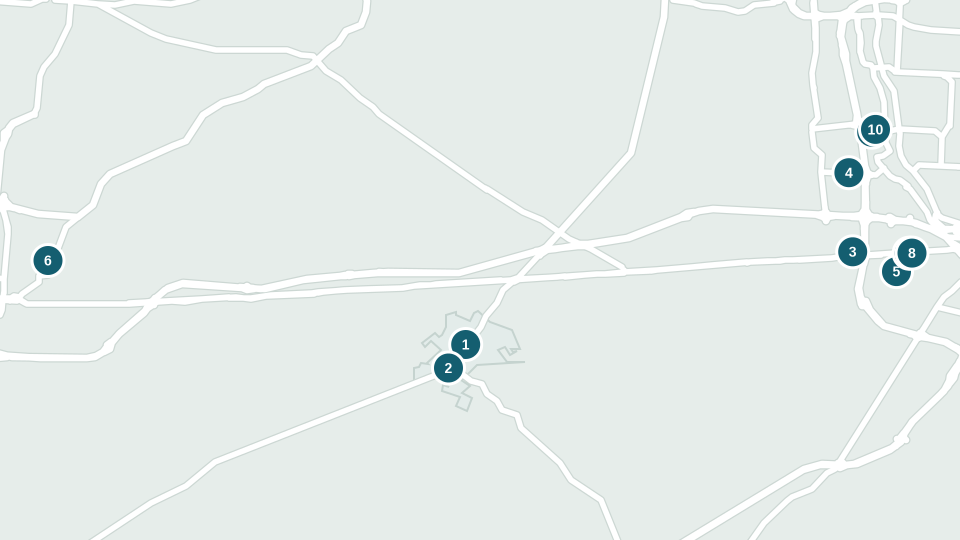
When you first contact a drug rehab program, ask what happens during an intake appointment and which services are available. In the London area, local facilities such as Buckeye Clinic and Complete Healthcare are listed in the treatment directory. Many programs will want to learn about your situation and discuss the types of care they offer, which could include outpatient counseling, medication-assisted treatment, or residential care.
Call the program directly to confirm its services, admission requirements, and current availability before you arrange a visit. It is also a good idea to ask about payment options and whether the program accepts your insurance.

When you compare drug rehab centers, one of the first things to look at is how much structure each program provides. Residential treatment means you stay on site full time, which removes you from daily triggers and gives round-the-clock support. Day programs, often called partial hospitalization, involve treatment most days of the week while you sleep at home.
Intensive outpatient programs usually meet three to five times per week and are often scheduled around work or school. Traditional outpatient counseling is the least intensive option and typically means one or two sessions a week. If you are unsure which fits your situation, asking a program directly about how they assess new clients is a practical first step.
A first call to a treatment center is your chance to gather information, so treat it like an interview. Useful questions include: What levels of care do you provide? How long is the program, and can it be extended?
Is medication for addiction treatment available? Do you treat anxiety, depression, or other mental health concerns at the same time? What does the daily schedule involve?
What is the full cost, and what does my insurance cover? Do you involve family, and what support is there after discharge? Programs should answer these plainly and let you take your time deciding.
Across Ohio, many drug rehab centers work with private insurance plans, including those offered through employers or individual marketplaces, to help cover the cost of care. For eligible individuals, public coverage through Ohio’s Medicaid program may fund substance use treatment, and Medicare can also apply for qualifying adults. Always contact the facility directly and your insurance provider to verify your specific benefits, network status, and any out-of-pocket responsibilities.
Facilities commonly offer sliding-scale fees based on income, and self-pay options are available for those who prefer to pay directly without using insurance. These financial arrangements help ensure that access to treatment is not solely determined by one’s ability to pay upfront.
A useful way to narrow your options is to make a short checklist and ask every program the same questions. Compare the levels of care offered, since a center that only provides outpatient sessions may not be right if you need a residential setting. Look at program length and structure, including how many hours per week you would be in treatment.
Ask what therapies are used, whether medication is available if you want it, and how the program handles co-occurring mental health concerns. Confirm the total cost, what insurance covers, and whether there are fees beyond the stated rate. Distance matters too, especially if family visits or aftercare appointments are part of your plan.
Writing down the answers as you go makes the comparison much easier.
When you first contact a drug rehab program, ask what happens during an intake appointment and which services are available.

For any urgent medical situation, overdose, or crisis, calling 911 is the fastest way to get help, and it is safer to call and not need it than to wait. Emergency services can stabilize the person and take them to a hospital for evaluation. If the concern is a mental health or substance use crisis that is not a medical emergency, the 988 Suicide and Crisis Lifeline offers confidential support by call or text around the clock.
You do not need to be certain how serious things are before reaching out. After the crisis is addressed, a drug rehab center or treatment referral line can help with next steps.
If you or someone else is in immediate danger, call 911 now.
231 Lafayette Street, Suite B, London, OH, 43140
Active
118 West High Street, London, OH, 43140
Active
106 North Murray Hill Road, Columbus, OH, 43228
Active
4660 Roberts Road, Columbus West, Columbus, OH, 43228
Active
3556 Sullivant Avenue, Columbus, OH, 43204
Active
2317 East Home Road, Springfield, OH, 45503
Active
3121 West Broad Street, Columbus, OH, 43204
Active
3035 West Broad Street, Suite 101, Columbus, OH, 43204
Active
3645 Ridge Mill Drive, Hilliard, OH, 43026
Active
3718 Ridge Mill Drive, Hilliard, OH, 43026
Active
These lists use only what the 10 active facilities listed for London report to SAMHSA's FindTreatment.gov. No facility pays to be included or can ask to be moved. Reporting more options is not a measure of quality, outcomes or suitability for any person. A missing option means the facility did not report it to the source, not that it is not offered. Call the facility to confirm everything before relying on it.
How this list is made: each facility scores one point for each of these 5 levels of care (settings) it reports to SAMHSA's FindTreatment.gov (Residential (24-hour); Outpatient; Intensive outpatient; Partial hospitalization / day treatment; Hospital inpatient). A facility needs at least 3 to appear. Facilities are shown from the highest count to the lowest; facilities with the same count are in alphabetical order, which has no other meaning. Up to 10 are shown.
How this list is made: each facility scores one point for each of these 7 payment and cost-assistance options it reports to SAMHSA's FindTreatment.gov (Medicaid; Medicare; Private health insurance; Military insurance (TRICARE); Cash or self-payment; Sliding fee scale; Payment assistance). A facility needs at least 4 to appear. Facilities are shown from the highest count to the lowest; facilities with the same count are in alphabetical order, which has no other meaning. Up to 10 are shown.
How this list is made: each facility scores one point for each of these 4 medications used in treatment it reports to SAMHSA's FindTreatment.gov (Buprenorphine; Methadone; Naltrexone; Medication for alcohol use disorder). A facility needs at least 2 to appear. Facilities are shown from the highest count to the lowest; facilities with the same count are in alphabetical order, which has no other meaning. Up to 10 are shown.
How this list is made: each facility scores one point for each of these 12 age groups and client groups accepted it reports to SAMHSA's FindTreatment.gov (Adolescents; Young adults; Adults; Seniors; Pregnant or postpartum women; Adult women; Adult men; Veterans; Active duty military; Criminal justice clients; Clients who have experienced trauma; Co-occurring mental and substance use disorders). A facility needs at least 5 to appear. Facilities are shown from the highest count to the lowest; facilities with the same count are in alphabetical order, which has no other meaning. Up to 10 are shown.
Each drug rehab center in London may offer different types of care. Common program types include outpatient treatment, intensive outpatient programs, partial hospitalization, residential or inpatient rehab, and medication-assisted treatment. The best way to learn exactly what a center offers is to call and ask about its specific services and levels of care.
Start by considering what type of treatment setting fits your needs, such as outpatient or residential care. Call the programs you are interested in and ask about their services, admission requirements, and payment options. It may also help to talk with your primary care doctor or a licensed counselor who can guide you based on your personal situation.
A good first move is writing down what you want help with, then calling two or three programs to compare what they offer. During the first call, ask what levels of care they provide, how long the program runs, and what it costs with your insurance. Take notes so you can compare the answers side by side. There is no obligation to enroll during that first conversation.
There is no single answer, because treatment length depends on your needs, the level of care, and how you respond. Residential programs often run from a few weeks to a few months, while outpatient care can stretch much longer with fewer hours per week. Many people continue with counseling or support groups after a formal program ends. A program that promises a guaranteed timeline for everyone is worth questioning.
Start by contacting your insurance company to ask what substance use treatment is covered and which programs are in network. Then confirm the details with the rehab center itself, since billing practices vary. Ask specifically about deductibles, co-pays, and anything that might not be covered, like certain medications or extra services. If you are uninsured, ask the program about sliding-scale fees, payment plans, or state-funded options.
Last updated