 National Rehab Helpline
Carolinas Medical and Wellness Clinic
0.7 mi, Laurinburg821 A South Main Street, Laurinburg, NC, 28352
Active
- Outpatient
- Medicaid
- Medicare
- Private insurance
City
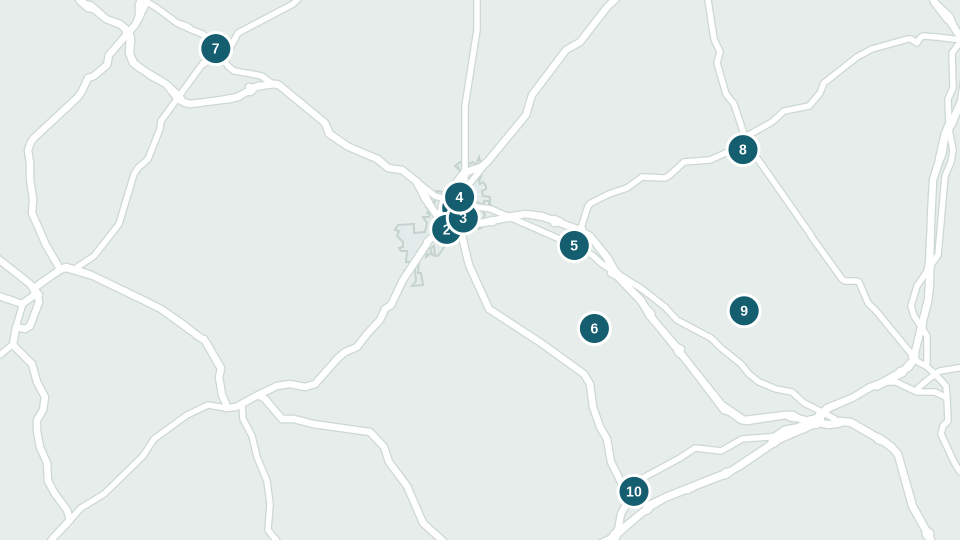
10 options near Laurinburg, NC, nearest first. Compare services and locations, then call to check availability.
This number connects to our central helpline, not directly to a listed facility.
Reaching out for help with substance use takes real effort, and knowing what to ask can make the first conversation easier. When you contact a treatment program in or near Laurinburg, you can expect a staff member to ask about your substance use history, your health, and what kind of support would fit your life. It is fair to ask what levels of care they offer, whether treatment takes place during the day or involves staying on site, and how they involve family if that matters to you.
You can also ask how long the first appointment will take, what documents or insurance details to bring, and whether the program provides counseling, medication-based treatment, or both. A good program will walk you through the next steps in plain terms and let you ask questions before committing to anything.

Every level of drug and alcohol treatment serves a different need, so it helps to know what each one actually involves. Residential care means sleeping at the center and following a full daily schedule of therapy and group sessions. Partial hospitalization is a step down, with full days of treatment several days a week before you return home in the evening.
Standard outpatient care is typically one or two sessions per week and works best when your home situation is stable. Sober living homes are another option: they are not treatment itself, but they offer a substance-free place to stay while you attend a program.
Your first conversation with a treatment center is your chance to screen them as much as they screen you. Ask who provides the clinical care and what the staff-to-client ratio is. Ask whether the length of stay is fixed or adjusted to your progress.
Find out what a withdrawal or detox period involves, if that applies, and whether it happens at the same facility or somewhere else. It is also fair to ask about visitation rules, how they handle a return to use during treatment, and what support exists for families. Closing with cost and insurance questions early can save you from falling for a program you cannot afford.
Throughout North Carolina, people seeking help at drug rehab centers typically rely on a mix of payment methods to cover the cost of care. Many individuals use private health insurance, which often includes behavioral health benefits that can offset expenses for detox, inpatient treatment, and outpatient counseling. Others may qualify for public coverage such as Medicaid, which is available to eligible residents and can pay for substance use disorder services at participating programs.
Because coverage details vary from one plan to another, it is essential to contact your insurer and the treatment center directly to confirm what is covered before beginning a program. For those without insurance, many drug rehab centers in the state offer sliding-scale fees based on income, and self-pay options remain available for anyone able to cover costs out of pocket.
Start with the kinds of care relevant to your needs.
Check each program’s listed services, location and contact details.
Contact a program to confirm availability, costs and the next step.
A good fit usually comes down to a few concrete criteria. Check which levels of care a center provides, since a place that only offers outpatient sessions may not be right if you need 24-hour support, and vice versa. Look at the therapies offered and whether they address mental health alongside substance use.
Ask what a typical stay or schedule involves and how progress is reviewed. Compare out-of-pocket costs across programs and confirm insurance acceptance in writing. The distance from home matters as well, since staying near supportive family can help, while some people do better with more distance from their usual environment.
Reaching out for help with substance use takes real effort, and knowing what to ask can make the first conversation easier.

When a situation involves overdose, serious injury, or any risk of harm, calling 911 is the fastest way to get medical help, and many states have Good Samaritan protections that encourage people to call without fear of certain drug-related penalties. Do not try to transport someone in a medical emergency yourself when responders can arrive faster. For urgent mental health or suicide-related crises, call or text 988 to speak with a trained counselor any time.
Keep these numbers saved in your phone before you need them, and if you are unsure whether a situation is emergent, treat it as one.
If you or someone else is in immediate danger, call 911 now.
821 A South Main Street, Laurinburg, NC, 28352
Active
103-B McAlpine Lane, Laurinburg, NC, 28352
Active
1225 South Caledonia Road, Laurinburg, NC, 28352
Active
205 Fairly Street, Laurinburg, NC, 28352
Active
109 West Central Street, Maxton, NC, 28364
Active
5973 McLeod Drive, Maxton, NC, 28364
Active
815 West Hamlet Avenue, Hamlet, NC, 28345
Active
130 South Main Street, Red Springs, NC, 28377
Active
309 East Wardell Drive, Pembroke, NC, 28372
Active
201 East Main Street, Rowland, NC, 28383
Active
These lists use only what the 10 active facilities listed for Laurinburg report to SAMHSA's FindTreatment.gov. No facility pays to be included or can ask to be moved. Reporting more options is not a measure of quality, outcomes or suitability for any person. A missing option means the facility did not report it to the source, not that it is not offered. Call the facility to confirm everything before relying on it.
How this list is made: each facility scores one point for each of these 5 levels of care (settings) it reports to SAMHSA's FindTreatment.gov (Residential (24-hour); Outpatient; Intensive outpatient; Partial hospitalization / day treatment; Hospital inpatient). A facility needs at least 3 to appear. Facilities are shown from the highest count to the lowest; facilities with the same count are in alphabetical order, which has no other meaning. Up to 10 are shown.
How this list is made: each facility scores one point for each of these 7 payment and cost-assistance options it reports to SAMHSA's FindTreatment.gov (Medicaid; Medicare; Private health insurance; Military insurance (TRICARE); Cash or self-payment; Sliding fee scale; Payment assistance). A facility needs at least 4 to appear. Facilities are shown from the highest count to the lowest; facilities with the same count are in alphabetical order, which has no other meaning. Up to 10 are shown.
How this list is made: each facility scores one point for each of these 4 medications used in treatment it reports to SAMHSA's FindTreatment.gov (Buprenorphine; Methadone; Naltrexone; Medication for alcohol use disorder). A facility needs at least 2 to appear. Facilities are shown from the highest count to the lowest; facilities with the same count are in alphabetical order, which has no other meaning. Up to 10 are shown.
How this list is made: each facility scores one point for each of these 12 age groups and client groups accepted it reports to SAMHSA's FindTreatment.gov (Adolescents; Young adults; Adults; Seniors; Pregnant or postpartum women; Adult women; Adult men; Veterans; Active duty military; Criminal justice clients; Clients who have experienced trauma; Co-occurring mental and substance use disorders). A facility needs at least 5 to appear. Facilities are shown from the highest count to the lowest; facilities with the same count are in alphabetical order, which has no other meaning. Up to 10 are shown.
Ask what levels of care the program provides, how the intake process works, whether they accept your insurance or offer other payment options, and what a typical schedule looks like. You can also ask how family is involved and what happens after the first appointment so you know what to expect at each step.
Not necessarily. Many people receive care while living at home, attending sessions during the day or evening. Whether overnight stays are recommended depends on your situation, so it is worth asking each program to explain the difference between their options and which they would suggest for you.
Not necessarily. Outpatient and intensive outpatient programs are built around evening or daytime sessions so that many people keep working while in treatment. Residential programs require you to live at the facility for a set period, which usually means taking time away. If you are unsure which you need, describing your daily obligations to a program during the first call can help you figure out what fits your schedule.
Many do, through what is called dual-diagnosis or co-occurring disorder treatment, which addresses conditions like depression, anxiety, or trauma alongside substance use. Treating both at once is often more effective than treating one and waiting on the other. Not every program has this capability, so if mental health is part of your situation, ask directly whether they can treat co-occurring conditions and who provides that care.
Most programs provide a packing list, and common items include comfortable clothes, identification, insurance information, and any current medications in their original bottles. Facilities typically restrict certain items, such as anything containing alcohol, non-prescribed substances, and sometimes personal electronics. Reading the list carefully and following it closely makes check-in smoother, and when in doubt, call the admissions office and ask before you pack it.
Last updated