 National Rehab Helpline
Revive Treatment Center
0.3 mi, Lake Zurich365 Surryse Road, Suite 120, Lake Zurich, IL, 60047
Active
- Outpatient
- Medication-assisted treatment
- Medicaid
- Private insurance
City
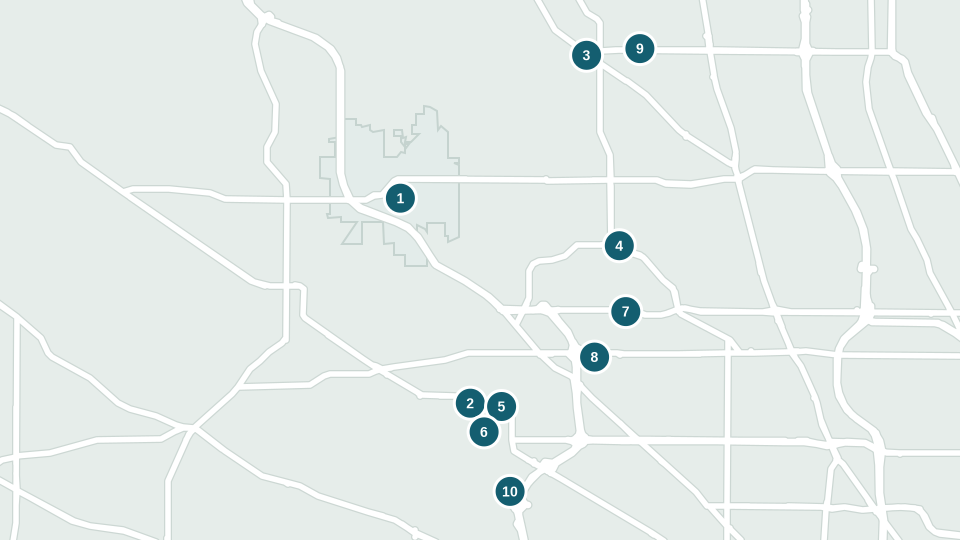
10 options near Lake Zurich, IL, nearest first. Compare services and locations, then call to check availability.
This number connects to our central helpline, not directly to a listed facility.
When you contact a program, ask what happens during your first visit. You can ask whether you will meet with a counselor for an assessment and what information to bring. Inquire about the types of treatment offered and how a plan is created for you.
Also ask about the program's schedule, fees, and what to expect for ongoing support. Call each program directly for the most current details on its intake process and services.

Most drug rehab centers organize treatment into stepped levels of care. Detox provides medical supervision while substances clear your body, residential programs have you live at the facility for round-the-clock support, and partial hospitalization offers full-day treatment while you sleep at home. Below that sit intensive outpatient programs, which meet several hours a day on multiple days per week, and standard outpatient care, which schedules a few sessions around work or family life.
Some centers also run sober living homes that bridge the gap between a residential stay and independent living.
Ask the intake coordinator what levels of care the center actually offers, since some facilities only run outpatient programs while others include detox and residential beds. Ask which insurance plans they accept and what a self-pay rate looks like. Ask whether they can prescribe medication for opioid or alcohol use disorder, because not every center offers it.
Ask what a typical daily schedule includes, how long the program runs, and whether they help arrange aftercare or a referral when you finish.
Payment for drug rehab centers in Illinois is typically handled via private insurance, with many plans including substance use disorder benefits; however, it's essential to check with the specific center about accepted insurers. Public health coverage, such as Illinois Medicaid or Medicare, may assist eligible residents, but participation is not universal. Facilities frequently provide sliding-scale fees based on income, and self-pay is an option for those without coverage or who prefer direct payment.
Start by matching the program to what you actually need: someone with a long history of relapse or an unstable home situation often does better starting in residential care, while a stable job and supportive family can make outpatient work. Check that the staff hold relevant credentials and that the program uses recognized approaches like cognitive behavioral therapy or medication-assisted treatment rather than vague promises. Ask for a clear written cost breakdown before you commit, including what insurance covers and what it does not.
Visit in person if you can, and pay attention to whether the facility feels clean, organized, and staffed by people who answer questions directly.
When you contact a program, ask what happens during your first visit.

If someone is in immediate danger, such as a suspected overdose, severe withdrawal, chest pain, difficulty breathing, or any threat of self-harm, call 911 right away rather than waiting to contact a rehab center. Tell the dispatcher exactly what happened, what substances were involved if you know, and whether the person is conscious. Emergency rooms can stabilize the medical crisis and are often the fastest route to an assessment that leads to treatment.
You can also call or text 988 for the Suicide and Crisis Lifeline any time you or someone you care about needs urgent support.
If you or someone else is in immediate danger, call 911 now.
365 Surryse Road, Suite 120, Lake Zurich, IL, 60047
Active
345 West NW Highway, Palatine, IL, 60067
Active
333 East State Route 83, Suite B-7, Mundelein, IL, 60060
Active
1401 McHenry Road, Suite 122, Buffalo Grove, IL, 60089
Active
616 North Court, Suite 170, Palatine, IL, 60067
Active
110 North Brockway Street, Suite 300, Palatine, IL, 60067
Active
1111 West Lake Cook Road, Buffalo Grove, IL, 60089
Active
3436 North Kennicott Avenue, Arlington Heights, IL, 60004
Active
830 West End Court, Suite 900, Vernon Hills, IL, 60061
Active
1645 Hicks Road, Suite A, Rolling Meadows, IL, 60008
Active
These lists use only what the 10 active facilities listed for Lake Zurich report to SAMHSA's FindTreatment.gov. No facility pays to be included or can ask to be moved. Reporting more options is not a measure of quality, outcomes or suitability for any person. A missing option means the facility did not report it to the source, not that it is not offered. Call the facility to confirm everything before relying on it.
How this list is made: each facility scores one point for each of these 5 levels of care (settings) it reports to SAMHSA's FindTreatment.gov (Residential (24-hour); Outpatient; Intensive outpatient; Partial hospitalization / day treatment; Hospital inpatient). A facility needs at least 3 to appear. Facilities are shown from the highest count to the lowest; facilities with the same count are in alphabetical order, which has no other meaning. Up to 10 are shown.
How this list is made: each facility scores one point for each of these 7 payment and cost-assistance options it reports to SAMHSA's FindTreatment.gov (Medicaid; Medicare; Private health insurance; Military insurance (TRICARE); Cash or self-payment; Sliding fee scale; Payment assistance). A facility needs at least 4 to appear. Facilities are shown from the highest count to the lowest; facilities with the same count are in alphabetical order, which has no other meaning. Up to 10 are shown.
How this list is made: each facility scores one point for each of these 4 medications used in treatment it reports to SAMHSA's FindTreatment.gov (Buprenorphine; Methadone; Naltrexone; Medication for alcohol use disorder). A facility needs at least 2 to appear. Facilities are shown from the highest count to the lowest; facilities with the same count are in alphabetical order, which has no other meaning. Up to 10 are shown.
How this list is made: each facility scores one point for each of these 12 age groups and client groups accepted it reports to SAMHSA's FindTreatment.gov (Adolescents; Young adults; Adults; Seniors; Pregnant or postpartum women; Adult women; Adult men; Veterans; Active duty military; Criminal justice clients; Clients who have experienced trauma; Co-occurring mental and substance use disorders). A facility needs at least 5 to appear. Facilities are shown from the highest count to the lowest; facilities with the same count are in alphabetical order, which has no other meaning. Up to 10 are shown.
Think about what you need from a program, such as the type of therapy, schedule, and location. Call programs to ask about their approach and what they offer. You can also speak with a healthcare provider for guidance.
Programs may ask you to bring a photo ID, insurance information, and any relevant medical records. Contact the program ahead of time to confirm what you should bring and what the first visit will involve.
It depends on the level of care and your needs. Detox often takes under a week, residential programs commonly run 30 to 90 days, and outpatient care can stretch over several months of weekly sessions. A good program will assess you first and recommend a length based on your situation rather than a fixed number.
Not always. Many people attend intensive outpatient or standard outpatient programs in the evening or early morning so they can keep working. Residential treatment does require you to live at the facility, but the federal Family and Medical Leave Act may protect your job while you take time for treatment. It is worth asking an intake coordinator which schedules would fit your work situation.
Expect an intake assessment where a counselor or nurse asks about your substance use, medical history, and mental health. You will usually get a tour, have your belongings checked against facility rules, and be assigned a counselor or case manager. The first day is mostly paperwork, orientation, and getting settled, with your treatment plan built in the days that follow.
Last updated