 National Rehab Helpline
Arizona Recovery Center
1.7 mi, Lake Havasu City84 Acoma Boulevard North, Suite 104, Lake Havasu City, AZ, 86403
Active
- Outpatient
- Detox
- Medication-assisted treatment
- Medicare
City
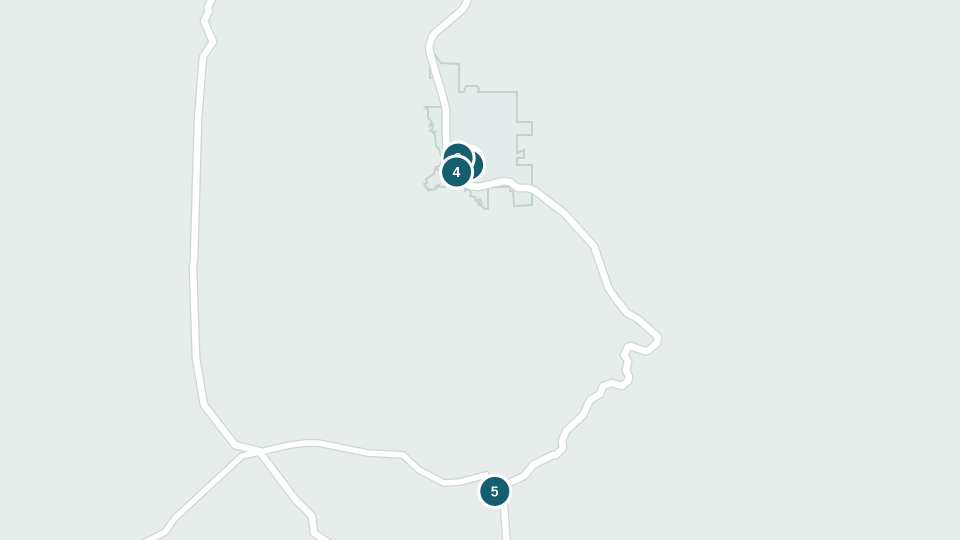
5 options near Lake Havasu City, AZ, nearest first. Compare services and locations, then call to check availability.
This number connects to our central helpline, not directly to a listed facility.
When you call a drug rehab center in the Lake Havasu City area, it helps to have a few questions ready. You can ask whether the program works with adults only or also treats adolescents, since some local outpatient care in Lake Havasu City serves both age groups. It is also fair to ask how the program handles co-occurring mental health concerns, because many people seeking substance use treatment also live with depression, anxiety, or another mental health condition, and some area programs confirm they address these alongside substance use.
Ask what a first appointment looks like: most programs begin with an intake or assessment where a counselor asks about your health history, substance use, and goals, and then recommends a level of care. You can also ask practical questions about payment, such as whether the program accepts Medicare or private insurance, since some outpatient programs in the area confirm they take both. There is no single right program for everyone, so it is reasonable to ask about counseling options, how often sessions happen, and how the program decides when someone is ready to move to a different level of care.

Drug rehab centers typically offer several levels of care, and knowing the main ones helps you figure out where to start. The most structured option is inpatient or residential treatment, where you live at the facility for the length of the program. Partial hospitalization and intensive outpatient programs let you live at home while attending treatment for many hours each week.
Standard outpatient care involves fewer weekly sessions and works best when you have a stable home environment. Some programs also include medically supervised withdrawal care at the start, though this depends on the facility. The right level depends on how long you have been using, your health, and what support you have at home.
When you call a drug rehab center for the first time, it helps to have a list ready. Ask which levels of care they offer and how they decide which one fits you. Ask how long the program lasts and what a typical day or week looks like.
Find out whether they treat mental health conditions alongside addiction, and what therapies they use. Ask about total cost, what insurance they accept, and any extra fees. Finally, ask what happens after the program ends, including relapse support and referrals to ongoing care.
Writing down the answers lets you compare programs fairly.
Across Arizona, people seeking help at drug rehab centers typically cover the cost through several common routes. Many use private health insurance, since plans sold in the state generally include some level of coverage for substance use treatment, though benefits, deductibles, and network rules vary between policies. Others rely on public options where available, such as Arizona's Medicaid program, and eligibility for that coverage should be confirmed directly before assuming it applies.
In addition, a number of drug rehab centers in the state offer sliding-scale fees that adjust to a person's income, and self-pay remains an option for those who prefer to fund treatment privately. Because every situation differs, anyone considering care should verify their specific coverage, ask about income-based pricing, and confirm total costs with any program they contact.
Start with the kinds of care relevant to your needs.
Check each program’s listed services, location and contact details.
Contact a program to confirm availability, costs and the next step.
Comparing drug rehab centers comes down to a few practical criteria. First, check whether the program offers the level of care you need, whether that is residential, intensive outpatient, or standard outpatient. Second, ask how long the program lasts and what a typical weekly schedule looks like.
Third, find out what the treatment actually includes, such as individual counseling, group therapy, medication support, or family involvement. Fourth, ask about cost and what insurance the program accepts before you commit. Finally, consider logistics like distance from home, whether family can be involved, and what happens after the program ends.
A center that answers these questions clearly and without pressure is usually easier to work with.
When you call a drug rehab center in the Lake Havasu City area, it helps to have a few questions ready.

If someone is in immediate danger, such as an overdose, a serious injury, or a mental health crisis, call 911 right away. Emergency responders can provide medical care on the scene and transport the person to a hospital. You can also call or text 988, the national Suicide and Crisis Lifeline, which connects you to trained crisis counselors any time of day.
Do not wait to see whether the situation resolves on its own when a life may be at risk. Once the immediate emergency is handled, you can explore longer-term treatment options.
If you or someone else is in immediate danger, call 911 now.
84 Acoma Boulevard North, Suite 104, Lake Havasu City, AZ, 86403
Active
2187 Swanson Avenue, Lake Havasu City, AZ, 86403
Active
151 Riviera Drive, Suite B, Lake Havasu City, AZ, 86403
Active
329 Lake Havasu Avenue South, Lake Havasu City, AZ, 86403
Active
1021 South Kofa Avenue, Parker, AZ, 85344
Active
These lists use only what the 5 active facilities listed for Lake Havasu City report to SAMHSA's FindTreatment.gov. No facility pays to be included or can ask to be moved. Reporting more options is not a measure of quality, outcomes or suitability for any person. A missing option means the facility did not report it to the source, not that it is not offered. Call the facility to confirm everything before relying on it.
How this list is made: each facility scores one point for each of these 7 payment and cost-assistance options it reports to SAMHSA's FindTreatment.gov (Medicaid; Medicare; Private health insurance; Military insurance (TRICARE); Cash or self-payment; Sliding fee scale; Payment assistance). A facility needs at least 4 to appear. Facilities are shown from the highest count to the lowest; facilities with the same count are in alphabetical order, which has no other meaning. Up to 10 are shown.
How this list is made: each facility scores one point for each of these 4 medications used in treatment it reports to SAMHSA's FindTreatment.gov (Buprenorphine; Methadone; Naltrexone; Medication for alcohol use disorder). A facility needs at least 2 to appear. Facilities are shown from the highest count to the lowest; facilities with the same count are in alphabetical order, which has no other meaning. Up to 10 are shown.
How this list is made: each facility scores one point for each of these 12 age groups and client groups accepted it reports to SAMHSA's FindTreatment.gov (Adolescents; Young adults; Adults; Seniors; Pregnant or postpartum women; Adult women; Adult men; Veterans; Active duty military; Criminal justice clients; Clients who have experienced trauma; Co-occurring mental and substance use disorders). A facility needs at least 5 to appear. Facilities are shown from the highest count to the lowest; facilities with the same count are in alphabetical order, which has no other meaning. Up to 10 are shown.
Ask who the program treats, such as adults or adolescents, whether it can address mental health needs alongside substance use, what the first visit or assessment involves, and what payment options it accepts, including Medicare or private insurance if those apply to you. Writing your questions down before you call can make the conversation easier.
Some outpatient programs in the Lake Havasu City area confirm they treat co-occurring mental health conditions and offer mental health services as part of their care. When you call, describe any mental health concerns you have so the program can tell you whether its services fit your needs.
Most programs begin with an assessment where a counselor or clinician asks about your substance use, health history, and living situation. Based on that conversation, they recommend a level of care, such as residential, intensive outpatient, or standard outpatient. You are free to ask questions and compare options before committing. Many people also involve a family member or trusted friend in the process.
It varies widely. Some programs are around 30 days, while others run 60, 90 days, or longer, and outpatient care can continue for months. The right length depends on the severity of the substance use, your history with treatment, and what you can practically manage. Longer stays are not automatically better, but research generally supports more time in treatment rather than less. Ask each program how they decide when someone is ready to step down.
Calling the program directly is the best way to get accurate cost information, but you can prepare by gathering your insurance card first. Ask whether the program is in network, what your out-of-pocket costs would be, and whether there are extra fees beyond the daily or weekly rate. If you do not have insurance, ask whether the center offers payment plans or a sliding scale. Get any cost estimates in writing before you enroll.
Last updated