 National Rehab Helpline
South Community Behavioral Health — 1349 East Stroop Road
0.6 mi, Dayton1349 East Stroop Road, Dayton, OH, 45429
Active
- Outpatient
- Medicaid
- Private insurance
- Self-pay
City
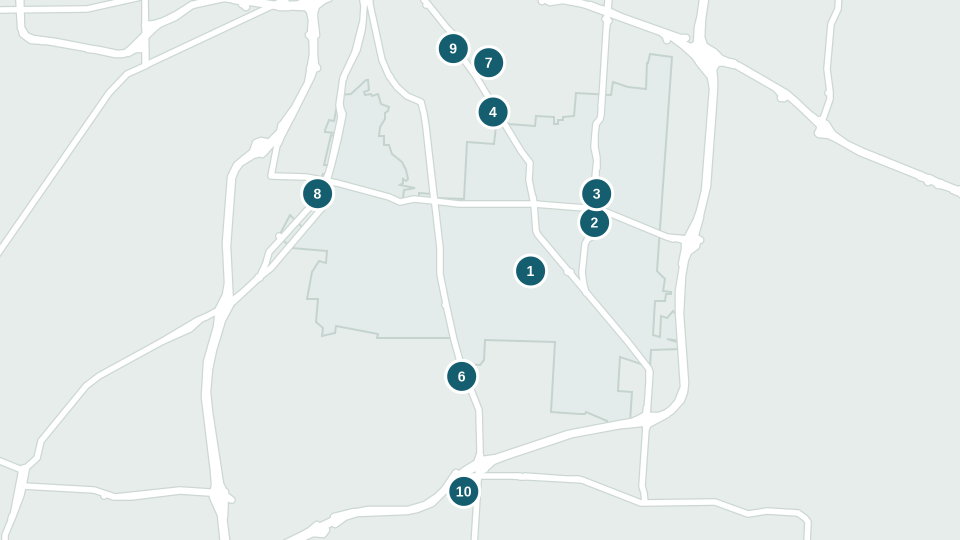
10 options near Kettering, OH, nearest first. Compare services and locations, then call to check availability.
This number connects to our central helpline, not directly to a listed facility.
When you contact a drug rehab center, ask about the first steps: what happens during an intake assessment, whether a medical evaluation is included, and what types of therapy or counseling are offered. Many programs have different levels of care, so it helps to know if they provide outpatient, intensive outpatient, or residential services. You can also ask about the length of the program, what a typical daily schedule looks like, and how they involve family members or support your care after treatment ends.
Before you choose a program, call to confirm its services, admission requirements and current availability.

One practical way to compare drug rehab centers is by the levels of care each one offers, since not every facility provides every service. Detox is the entry point for some people: a medically supervised withdrawal period that typically lasts several days to a week. Inpatient or residential rehab follows for many, offering a live-in environment with daily therapy, group sessions, and structured routines.
Day treatment, often called partial hospitalization, delivers intensive programming during the day while you sleep at home. Intensive outpatient care reduces the time commitment further, usually three sessions per week for a couple of hours each. Traditional outpatient therapy is the most flexible option, fitting around jobs and family obligations.
Sober living homes sit at another point on the spectrum, providing drug-free housing with peer accountability rather than clinical treatment itself. Checking which of these a center actually runs, rather than just refers out for, tells you a lot about how complete its program is.
When you contact a drug rehab center, treat the call as a two-way interview. Useful questions fall into a few groups. About the program itself: What is your approach to treatment, and is it evidence-based?
How many clients are in a treatment group at once? What happens if I need a level of care you don't provide? About staff: Who leads the therapy sessions, and what licenses or degrees do they hold?
About cost and coverage: Do you take my insurance, and can you verify my benefits before I enroll? Are there scholarships, state funding, or sliding-scale options if I'm paying myself? About daily life: Can family visit or attend counseling, what is the policy on cell phones, and how do you handle medical needs or dietary restrictions?
About outcomes and follow-up: How do you support people after discharge, and is there an alumni network or continuing care group? Writing your questions down before the call keeps you from forgetting them in the moment.
In Ohio, payment for services at drug rehab centers typically involves several common methods. Private insurance—whether through a commercial plan, employer-sponsored policy, or the health insurance marketplace—often covers a substantial portion of treatment expenses. Additionally, Ohio’s Medicaid program may provide coverage for substance use disorder services, and Medicare is available for eligible individuals.
It is important to confirm eligibility directly with the treatment center and your insurance company to understand what is covered. Many facilities also offer sliding-scale fees that adjust charges based on a person’s income, and self-pay arrangements are an option for those who prefer not to use insurance or lack coverage.
Start with the kinds of care relevant to your needs.
Check each program’s listed services, location and contact details.
Contact a program to confirm availability, costs and the next step.
A few concrete criteria separate stronger programs from weaker ones. Does the center provide the full range you might need, from detox through aftercare, or will you have to transfer mid-treatment? Is it licensed by the state, and does its website or staff mention accreditation you can independently verify?
Does it base treatment on recognized methods rather than unproven alternatives, and does it offer medication-assisted treatment if opioids or alcohol are involved? Is the length of program fixed, or does it adjust to how you progress? Look also at who else is in the room: age-specific, gender-specific, or profession-specific groups can make therapy more relevant.
Cost transparency is a real criterion; a program that will not give you a clear picture of charges and insurance coverage before admission is a red flag. Check whether they address relapse openly and have a protocol for it, because setbacks are common and a good program plans for them. Speaking with a person who has completed the program, if the center can arrange it, can tell you things no brochure will.
When you contact a drug rehab center, ask about the first steps: what happens during an intake assessment, whether a medical evaluation is included, and what types of therapy or counseling are offered.

When safety is at stake, treatment options can wait; emergency care comes first. Call 911 for any suspected overdose, whether involving opioids, stimulants, or mixed substances, and for withdrawal symptoms that include hallucinations, severe shaking, or repeated vomiting. Give responders as much information as you can about what was taken, when, and how much, because this shapes the care they provide.
If you or someone you know is thinking about suicide, call or text 988 for the Suicide and Crisis Lifeline, where counselors respond at any hour. You can also text HOME to 741741 to reach the Crisis Text Line if speaking aloud feels difficult. Once the person is medically stable, hospital staff or a local helpline can connect you with drug rehab centers for ongoing treatment, and it is reasonable to ask them directly for that referral before leaving.
If you or someone else is in immediate danger, call 911 now.
1349 East Stroop Road, Dayton, OH, 45429
Active
3085 Woodman Drive, Suite 300, Dayton, OH, 45420
Active
2632 Woodman Center Court, Dayton, OH, 45420
Active
948 Patterson Road, Dayton, OH, 45419
Active
5563 Far Hills Avenue, Dayton, OH, 45429
Active
5563 Far Hills Avenue, Dayton, OH, 45429
Active
2611 Wayne Avenue, Dayton, OH, 45420
Active
3095 Kettering Boulevard, Dayton, OH, 45439
Active
732 Beckman Street, Dayton, OH, 45410
Active
7058 Corporate Way, Unit 3, Dayton, OH, 45459
Active
These lists use only what the 10 active facilities listed for Kettering report to SAMHSA's FindTreatment.gov. No facility pays to be included or can ask to be moved. Reporting more options is not a measure of quality, outcomes or suitability for any person. A missing option means the facility did not report it to the source, not that it is not offered. Call the facility to confirm everything before relying on it.
How this list is made: each facility scores one point for each of these 5 levels of care (settings) it reports to SAMHSA's FindTreatment.gov (Residential (24-hour); Outpatient; Intensive outpatient; Partial hospitalization / day treatment; Hospital inpatient). A facility needs at least 3 to appear. Facilities are shown from the highest count to the lowest; facilities with the same count are in alphabetical order, which has no other meaning. Up to 10 are shown.
How this list is made: each facility scores one point for each of these 7 payment and cost-assistance options it reports to SAMHSA's FindTreatment.gov (Medicaid; Medicare; Private health insurance; Military insurance (TRICARE); Cash or self-payment; Sliding fee scale; Payment assistance). A facility needs at least 4 to appear. Facilities are shown from the highest count to the lowest; facilities with the same count are in alphabetical order, which has no other meaning. Up to 10 are shown.
How this list is made: each facility scores one point for each of these 4 medications used in treatment it reports to SAMHSA's FindTreatment.gov (Buprenorphine; Methadone; Naltrexone; Medication for alcohol use disorder). A facility needs at least 2 to appear. Facilities are shown from the highest count to the lowest; facilities with the same count are in alphabetical order, which has no other meaning. Up to 10 are shown.
How this list is made: each facility scores one point for each of these 12 age groups and client groups accepted it reports to SAMHSA's FindTreatment.gov (Adolescents; Young adults; Adults; Seniors; Pregnant or postpartum women; Adult women; Adult men; Veterans; Active duty military; Criminal justice clients; Clients who have experienced trauma; Co-occurring mental and substance use disorders). A facility needs at least 5 to appear. Facilities are shown from the highest count to the lowest; facilities with the same count are in alphabetical order, which has no other meaning. Up to 10 are shown.
Ask about the intake process, whether a medical assessment is part of the first visit, and what levels of care are offered—such as outpatient, intensive outpatient, or residential. It also helps to ask about the program length, typical daily schedule, and any aftercare or family support services.
Every program is different, so call to ask about their specific services, admission requirements, and current openings. See if they offer the type of treatment you are looking for and whether the location and hours fit your schedule. There is no single right choice, so gathering details from each program can help you decide.
Yes, in most cases, though every facility has its own medication policy. Bring your prescriptions in their original bottles and tell the intake staff about everything you take, including psychiatric medications. The medical team will review your medications during assessment and continue what is appropriate. Some facilities restrict certain drugs for safety reasons, so disclose everything upfront to avoid problems after admission.
Most rehab centers welcome family involvement, and many build it directly into the program. Common options include family therapy sessions, educational groups where loved ones learn about addiction and recovery, scheduled visitation, and updates on your progress within privacy limits. Some centers hold weekend family programs or workshops. The extent of involvement varies by facility, so ask about their specific family services when you call.
Yes, treatment for substance use is protected by stronger privacy laws than general medical care. Federal rules under 42 CFR Part 2 specifically restrict drug and alcohol treatment records, and facilities cannot confirm to anyone, including employers or family, that you are a patient without your written consent. The usual medical privacy protections under HIPAA also apply. Staff will explain the limits, such as situations involving danger to yourself or others, when you enroll.
Last updated