 National Rehab Helpline
439 Mason Park Boulevard, Suite B, Katy, TX, 77450
Active
- Day treatment
- Private insurance
- Self-pay
City
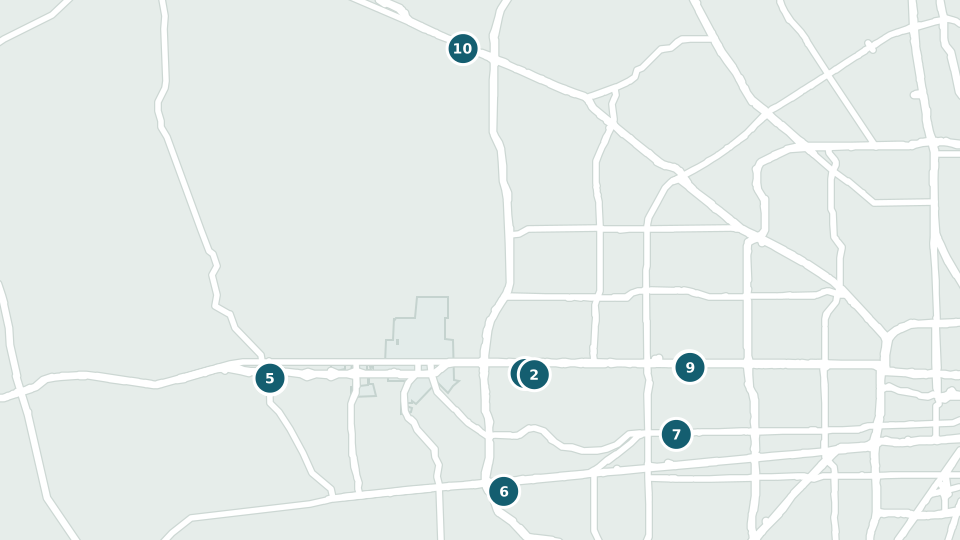
10 options near Katy, TX, nearest first. Compare services and locations, then call to check availability.
Call (833) 659-6966Ask about your optionsThis number connects to our central helpline, not directly to a listed facility.
Check which services are available for your needs.
Confirm payment options and any waiting time directly.
Ask what information the program needs from you.
When you reach out to a drug rehab center, you can ask them what their typical admission process looks like and whether you can visit the facility beforehand. Many programs start with a confidential assessment where you and a counselor discuss your concerns and goals. It is also important to ask about the types of therapy they use, such as individual counseling, group sessions, or family involvement, and whether they offer medication-assisted options if that is something you are interested in.
You can also ask about the length of their programs and what level of structure or support you can expect on a daily basis. Each center has its own approach, so find the one that feels right for you.
Call (833) 659-6966
When you compare drug rehab centers, one of the first things to look at is how much structure each program provides. Residential treatment means you stay on site full time, which removes you from daily triggers and gives round-the-clock support. Day programs, often called partial hospitalization, involve treatment most days of the week while you sleep at home.
Intensive outpatient programs usually meet three to five times per week and are often scheduled around work or school. Traditional outpatient counseling is the least intensive option and typically means one or two sessions a week. If you are unsure which fits your situation, asking a program directly about how they assess new clients is a practical first step.
Call (833) 659-6966Check which services each program reports offering.
Consider travel distance and whether care is in person or remote.
Ask the program directly about payment and coverage.
Confirm how to contact the program and what to expect.
A first call to a treatment center is your chance to gather information, so treat it like an interview. Useful questions include: What levels of care do you provide? How long is the program, and can it be extended?
Is medication for addiction treatment available? Do you treat anxiety, depression, or other mental health concerns at the same time? What does the daily schedule involve?
What is the full cost, and what does my insurance cover? Do you involve family, and what support is there after discharge? Programs should answer these plainly and let you take your time deciding.
Patients entering Texas drug rehab centers commonly pay through private insurance, public coverage, or direct self-pay. Private insurance plans, whether from an employer or the marketplace, often include behavioral health benefits for substance use treatment, but you must confirm with both your insurer and the specific center whether your plan is accepted and what costs are covered. For those who qualify, government-funded options such as Texas Medicaid or Medicare may be available, but acceptance depends on the facility and the patient’s eligibility status.
Sliding-scale fees, which adjust costs based on household income, are another option at some facilities. Self-pay is also accepted in most cases, and some centers offer discounts for upfront payment or payment plans. Always check with the program to discuss your specific financial situation before committing to a stay.
A useful way to narrow your options is to make a short checklist and ask every program the same questions. Compare the levels of care offered, since a center that only provides outpatient sessions may not be right if you need a residential setting. Look at program length and structure, including how many hours per week you would be in treatment.
Ask what therapies are used, whether medication is available if you want it, and how the program handles co-occurring mental health concerns. Confirm the total cost, what insurance covers, and whether there are fees beyond the stated rate. Distance matters too, especially if family visits or aftercare appointments are part of your plan.
Writing down the answers as you go makes the comparison much easier.
When you reach out to a drug rehab center, you can ask them what their typical admission process looks like and whether you can visit the facility beforehand.

For any urgent medical situation, overdose, or crisis, calling 911 is the fastest way to get help, and it is safer to call and not need it than to wait. Emergency services can stabilize the person and take them to a hospital for evaluation. If the concern is a mental health or substance use crisis that is not a medical emergency, the 988 Suicide and Crisis Lifeline offers confidential support by call or text around the clock.
You do not need to be certain how serious things are before reaching out. After the crisis is addressed, a drug rehab center or treatment referral line can help with next steps.
If you or someone else is in immediate danger, call 911 now.
Call (833) 659-6966439 Mason Park Boulevard, Suite B, Katy, TX, 77450
Active
750 Westgreen Boulevard, Katy, TX, 77450
Active
535 FM 359 South, Brookshire, TX, 77423
Active
535 FM 359 South, Brookshire, TX, 77423
Active
531 FM 359 South, Brookshire, TX, 77423
Active
6902 South Peek Road, Richmond, TX, 77407
Active
13155 Westheimer Road, Suite 133, Houston, TX, 77077
Active
14825 Saint Marys Lane, Suite 122, Houston, TX, 77079
Active
14811 Saint Marys Lane, Suite 210, Houston, TX, 77079
Active
16124 Becker Road, Hockley, TX, 77447
Active
You can begin by asking about the types of therapies they offer, what a typical daily schedule looks like, whether they provide medication-assisted treatment, and how they handle individual and group counseling sessions. It is also a good idea to ask about what you should bring on your first day and if they offer a tour before you start.
During a first visit, you can expect to complete an intake interview and assessments to help the staff understand your situation and needs. Programs may also offer a tour of the facility and an opportunity to meet with a counselor who can explain the next steps in the admission process.
A good first move is writing down what you want help with, then calling two or three programs to compare what they offer. During the first call, ask what levels of care they provide, how long the program runs, and what it costs with your insurance. Take notes so you can compare the answers side by side. There is no obligation to enroll during that first conversation.
There is no single answer, because treatment length depends on your needs, the level of care, and how you respond. Residential programs often run from a few weeks to a few months, while outpatient care can stretch much longer with fewer hours per week. Many people continue with counseling or support groups after a formal program ends. A program that promises a guaranteed timeline for everyone is worth questioning.
Start by contacting your insurance company to ask what substance use treatment is covered and which programs are in network. Then confirm the details with the rehab center itself, since billing practices vary. Ask specifically about deductibles, co-pays, and anything that might not be covered, like certain medications or extra services. If you are uninsured, ask the program about sliding-scale fees, payment plans, or state-funded options.
Last updated