 National Rehab Helpline
114 Pacifica, Suite 350, Irvine, CA, 92618
Active
- Day treatment
- Medicaid
- Private insurance
- Self-pay
City
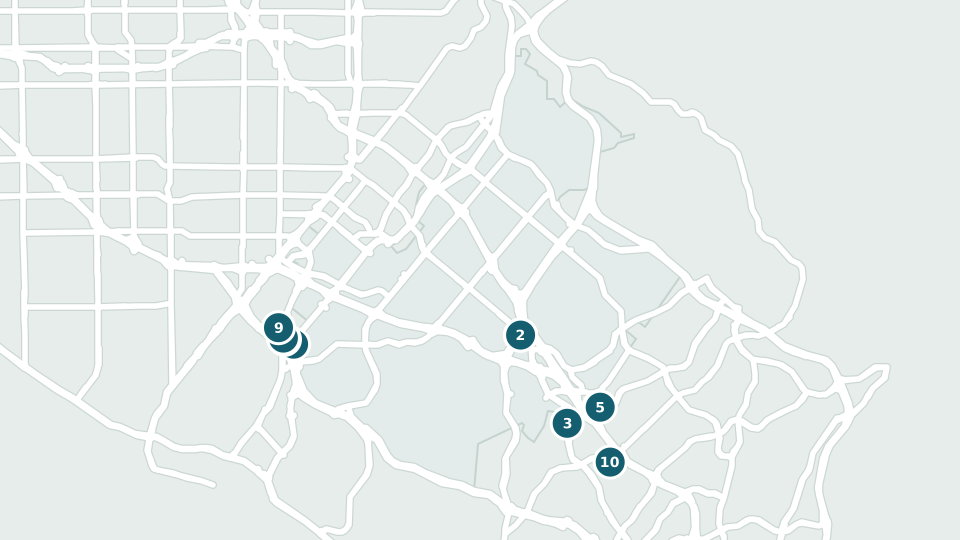
10 options near Irvine, CA, nearest first. Compare services and locations, then call to check availability.
Call (833) 659-6966Ask about your optionsThis number connects to our central helpline, not directly to a listed facility.
Check which services are available for your needs.
Confirm payment options and any waiting time directly.
Ask what information the program needs from you.
When you call a drug rehab center in Irvine, you can ask about the types of programs they offer, such as outpatient or intensive outpatient care, and whether they provide mental health support alongside substance use treatment. A first visit typically involves an intake assessment where a counselor will ask about your history, current substance use, and any co-occurring conditions to help create a personalized plan. You can also ask about the facility's approach to treatment, the qualifications of their staff, and what a typical day in the program looks like.
This is a good time to discuss any practical concerns, like the program length, session schedules, and what support is available for family members. The goal of this first meeting is to get clear information so you can decide if the program feels like the right fit for you.
Call (833) 659-6966
Every level of drug and alcohol treatment serves a different need, so it helps to know what each one actually involves. Residential care means sleeping at the center and following a full daily schedule of therapy and group sessions. Partial hospitalization is a step down, with full days of treatment several days a week before you return home in the evening.
Standard outpatient care is typically one or two sessions per week and works best when your home situation is stable. Sober living homes are another option: they are not treatment itself, but they offer a substance-free place to stay while you attend a program.
Call (833) 659-6966Check which services each program reports offering.
Consider travel distance and whether care is in person or remote.
Ask the program directly about payment and coverage.
Confirm how to contact the program and what to expect.
Your first conversation with a treatment center is your chance to screen them as much as they screen you. Ask who provides the clinical care and what the staff-to-client ratio is. Ask whether the length of stay is fixed or adjusted to your progress.
Find out what a withdrawal or detox period involves, if that applies, and whether it happens at the same facility or somewhere else. It is also fair to ask about visitation rules, how they handle a return to use during treatment, and what support exists for families. Closing with cost and insurance questions early can save you from falling for a program you cannot afford.
Private health insurance is a common funding source for admission to drug rehab centers throughout California, but individuals must check their plan’s behavioral health coverage and any out-of-pocket expenses. Public programs like Medi-Cal may apply to low-income residents, though not all rehabilitation facilities accept this coverage, requiring direct confirmation from the center. Sliding-scale fees are offered by certain treatment providers, adjusting charges according to financial need, and self-pay is available for those able to pay the full amount upfront.
It is crucial to inquire about payment terms with each facility to understand all viable options.
Start with the kinds of care relevant to your needs.
Check each program’s listed services, location and contact details.
Contact a program to confirm availability, costs and the next step.
A good fit usually comes down to a few concrete criteria. Check which levels of care a center provides, since a place that only offers outpatient sessions may not be right if you need 24-hour support, and vice versa. Look at the therapies offered and whether they address mental health alongside substance use.
Ask what a typical stay or schedule involves and how progress is reviewed. Compare out-of-pocket costs across programs and confirm insurance acceptance in writing. The distance from home matters as well, since staying near supportive family can help, while some people do better with more distance from their usual environment.
When you call a drug rehab center in Irvine, you can ask about the types of programs they offer, such as outpatient or intensive outpatient care, and whether they provide mental health support alongside substance use treatment.

When a situation involves overdose, serious injury, or any risk of harm, calling 911 is the fastest way to get medical help, and many states have Good Samaritan protections that encourage people to call without fear of certain drug-related penalties. Do not try to transport someone in a medical emergency yourself when responders can arrive faster. For urgent mental health or suicide-related crises, call or text 988 to speak with a trained counselor any time.
Keep these numbers saved in your phone before you need them, and if you are unsure whether a situation is emergent, treat it as one.
If you or someone else is in immediate danger, call 911 now.
Call (833) 659-6966114 Pacifica, Suite 350, Irvine, CA, 92618
Active
114 Pacifica, Suite 350, Irvine, CA, 92618
Active
23141 Moulton Parkway, Suite 207, Laguna Hills, CA, 92653
Active
23696 Birtcher Drive, Lake Forest, CA, 92630
Active
23712 Birtcher Drive, Lake Forest, CA, 92630
Active
19742 MacArthur Avenue, Suite 245, Irvine, CA, 92612
Active
1000 Quail Street, Suite 160, Newport Beach, CA, 92660
Active
1100 Quail Street, Suite 210, Newport Beach, CA, 92660
Active
4019 Westerly Place, Suite 102, Newport Beach, CA, 92660
Active
23521 Paseo de Valencia, Suite B-5, Laguna Hills, CA, 92653
Active
You can ask about the treatment levels offered, the facility's approach to care, what credentials the staff hold, typical program length, and what a standard day includes. Inquiring about insurance acceptance and payment options is also practical during this first call.
Many centers encourage a tour so you can see the environment and meet staff. It is best to ask each program directly if they offer in-person or virtual tours as part of their admissions process.
Not necessarily. Outpatient and intensive outpatient programs are built around evening or daytime sessions so that many people keep working while in treatment. Residential programs require you to live at the facility for a set period, which usually means taking time away. If you are unsure which you need, describing your daily obligations to a program during the first call can help you figure out what fits your schedule.
Many do, through what is called dual-diagnosis or co-occurring disorder treatment, which addresses conditions like depression, anxiety, or trauma alongside substance use. Treating both at once is often more effective than treating one and waiting on the other. Not every program has this capability, so if mental health is part of your situation, ask directly whether they can treat co-occurring conditions and who provides that care.
Most programs provide a packing list, and common items include comfortable clothes, identification, insurance information, and any current medications in their original bottles. Facilities typically restrict certain items, such as anything containing alcohol, non-prescribed substances, and sometimes personal electronics. Reading the list carefully and following it closely makes check-in smoother, and when in doubt, call the admissions office and ask before you pack it.
Last updated