 National Rehab Helpline
Metro Treatment of Florida LP
1.2 mi, Tarpon Springs1919 North Pinellas Avenue, Highway 19, Tarpon Springs, FL, 34689
Active
- Outpatient
- Detox
- Medication-assisted treatment
- Medicaid
City
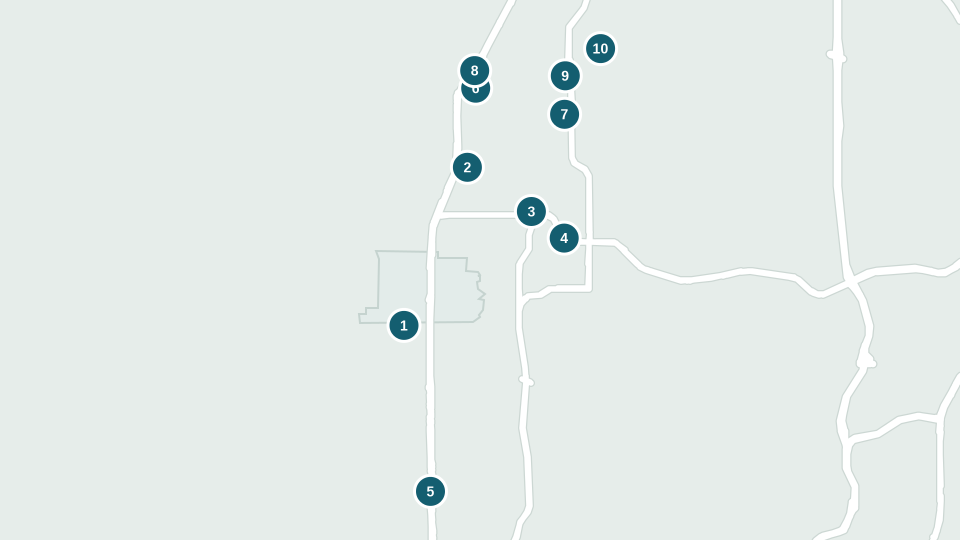
No listed facilities are in Holiday. The nearest listed facility is 1.2 miles from Holiday. Compare the facilities near Holiday below; distances are straight-line estimates.
This number connects to our central helpline, not directly to a listed facility.
When you contact a drug rehab center, ask about the first steps to begin care. Inquire about the types of treatment offered, such as outpatient counseling, medication-assisted treatment, or residential care. Find out what documents or information you need to bring to an intake appointment.
Ask whether the program can help with co-occurring mental health conditions. Confirm the program's hours, location, and whether it offers same-day or walk-in assessments. Call ahead to learn about any fees, payment options, or sliding-scale fees, and ask if the program accepts your insurance.

Treatment programs vary in intensity, and understanding the main types helps you compare what is available near you. Detox programs provide short-term medical oversight while a drug leaves your system, while inpatient or residential rehab has you live at the facility for a set period of care. Outpatient programs let you live at home and attend scheduled sessions, and intensive outpatient programs offer more weekly hours for people who need structure without full-time residence.
Some centers also provide medication-assisted treatment, which combines approved medications with counseling, or aftercare planning that continues once a formal program ends.
Before your first call, write down what you want to know so nothing gets lost. Useful questions include: What levels of care does the program offer? What does a typical daily schedule look like?
How long do most people stay? What therapies are used? Is medication-assisted treatment available if it applies to you?
How does the program handle co-occurring mental health conditions like depression or anxiety? What does the program cost, and which insurance plans does it accept? What happens after discharge, and is there an aftercare or alumni plan?
Paying for drug rehab centers in Florida often involves private insurance, which frequently covers detoxification, ongoing treatment, relapse prevention, and overdose rescue interventions. Public health coverage, including Florida Medicaid and Medicare, may be available for those who qualify, but you should confirm eligibility and scope of coverage directly with both your insurer and the treatment center. Sliding-scale payment arrangements are offered by some facilities to adjust costs to your financial situation, and self-pay remains a straightforward option for individuals funding their own care.
When you compare rehab centers nearby, look first at whether a program offers the level of care you actually need, such as detox support, residential treatment, or outpatient services. Next, consider the treatment approaches used, including individual counseling, group therapy, family involvement, and medication-assisted treatment if relevant. Practical factors matter too: distance from home, whether your insurance is accepted, total cost after any coverage, and whether family can visit or take part in sessions.
A program that clearly explains its admissions process and answers your questions without pressure is usually easier to work with than one that pushes you to decide on the spot.
When you contact a drug rehab center, ask about the first steps to begin care.

If someone is in immediate danger, such as an overdose, a medical emergency, or a situation where they might harm themselves or others, call 911 right away. If you find someone unresponsive or with severe symptoms, do not wait to see whether treatment alone can wait; emergency responders can start help on the way. You can also reach the national mental health and suicide crisis line by calling or texting 988, which connects you to trained crisis counselors around the clock.
If you are with someone during a suspected overdose, call 911 rather than attempting to manage it alone.
If you or someone else is in immediate danger, call 911 now.
1919 North Pinellas Avenue, Highway 19, Tarpon Springs, FL, 34689
Active
5319 Grand Boulevard, New Port Richey, FL, 34652
Active
4041 Rowan Road, New Port Richey, FL, 34653
Active
8225 State Road 54, New Port Richey, FL, 34655
Active
36472 U.S. Highway 19, Palm Harbor, FL, 34684
Active
7720 Washington Street, Suite MAPS, Port Richey, FL, 34668
Active
8300 Massachusetts Avenue, Suite F, New Port Richey, FL, 34653
Active
8224 Washington Street, Port Richey, FL, 34668
Active
8002 King Helie Boulevard, New Port Richey, FL, 34653
Active
9270 Royal Palm Avenue, New Port Richey, FL, 34654
Active
These lists use only what the 10 active facilities listed for Holiday report to SAMHSA's FindTreatment.gov. No facility pays to be included or can ask to be moved. Reporting more options is not a measure of quality, outcomes or suitability for any person. A missing option means the facility did not report it to the source, not that it is not offered. Call the facility to confirm everything before relying on it.
How this list is made: each facility scores one point for each of these 5 levels of care (settings) it reports to SAMHSA's FindTreatment.gov (Residential (24-hour); Outpatient; Intensive outpatient; Partial hospitalization / day treatment; Hospital inpatient). A facility needs at least 3 to appear. Facilities are shown from the highest count to the lowest; facilities with the same count are in alphabetical order, which has no other meaning. Up to 10 are shown.
How this list is made: each facility scores one point for each of these 7 payment and cost-assistance options it reports to SAMHSA's FindTreatment.gov (Medicaid; Medicare; Private health insurance; Military insurance (TRICARE); Cash or self-payment; Sliding fee scale; Payment assistance). A facility needs at least 4 to appear. Facilities are shown from the highest count to the lowest; facilities with the same count are in alphabetical order, which has no other meaning. Up to 10 are shown.
How this list is made: each facility scores one point for each of these 4 medications used in treatment it reports to SAMHSA's FindTreatment.gov (Buprenorphine; Methadone; Naltrexone; Medication for alcohol use disorder). A facility needs at least 2 to appear. Facilities are shown from the highest count to the lowest; facilities with the same count are in alphabetical order, which has no other meaning. Up to 10 are shown.
How this list is made: each facility scores one point for each of these 12 age groups and client groups accepted it reports to SAMHSA's FindTreatment.gov (Adolescents; Young adults; Adults; Seniors; Pregnant or postpartum women; Adult women; Adult men; Veterans; Active duty military; Criminal justice clients; Clients who have experienced trauma; Co-occurring mental and substance use disorders). A facility needs at least 5 to appear. Facilities are shown from the highest count to the lowest; facilities with the same count are in alphabetical order, which has no other meaning. Up to 10 are shown.
Inpatient or residential rehab requires you to live at the facility for a period of time, typically 30 to 90 days. Outpatient rehab allows you to live at home and attend scheduled treatment sessions. Your choice depends on your needs, support system, and the severity of your substance use. A counselor or intake specialist can help you decide which level of care is right for you.
You can ask the program directly about its state license and any accreditations it holds, such as from the Joint Commission or CARF. You can also check with the Florida Department of Children and Families to verify a facility's license. It is always a good idea to confirm these details before starting treatment.
There is no single timeline, because the right length depends on the level of care, the substance involved, and your progress. Detox often lasts a few days to a week, residential programs commonly run 30 to 90 days, and outpatient care can continue for months. Longer and more structured programs tend to give people more time to practice new habits, but the best fit is one you can realistically start and finish.
Many rehab centers accept private insurance, and coverage for substance use treatment is included in most health plans sold under current law. What is covered varies, though, so call your insurer and ask which levels of care are covered, what your out-of-pocket costs would be, and whether a specific program is in network. Get the answers in writing if you can, and ask the treatment center's admissions staff to verify your benefits directly with the insurer.
Inpatient rehab means you live at the treatment center full time for the duration of the program, with 24-hour support and a structured daily schedule. Outpatient rehab means you live at home and travel to the facility for scheduled sessions, which can range from a few hours a week to nearly full-time hours in an intensive program. Inpatient care offers more support and separation from daily triggers, while outpatient care lets you keep working or caring for family.
Last updated