 National Rehab Helpline
Metro Treatment of Florida LP
0.7 mi, Gainesville2209 NW 13th Street, Suite B, Gainesville, FL, 32609
Active
- Outpatient
- Detox
- Medication-assisted treatment
- Medicaid
City
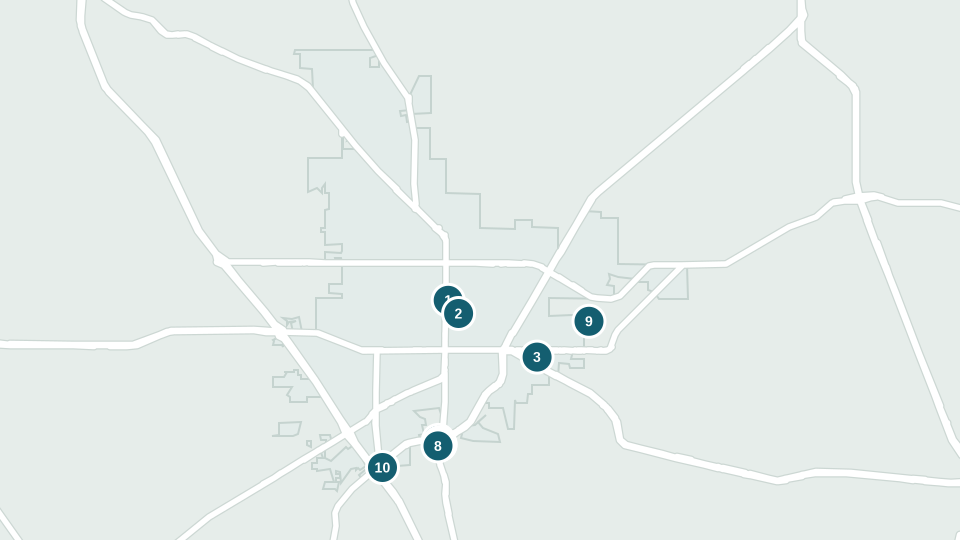
10 options near Gainesville, FL, nearest first. Compare services and locations, then call to check availability.
This number connects to our central helpline, not directly to a listed facility.
When you contact a drug rehab center in Gainesville, ask what happens during your first appointment. A counselor typically meets with you to discuss your substance use history, health concerns, and treatment goals. They can explain the program's structure, length of stay, and rules around visitors and phone use.
You can also ask whether the facility offers medical assessments or a detox program if you need help managing withdrawal. Every center has its own process, so call ahead to know what to bring and what to expect.

Not every drug rehab center offers the same type of care, so it helps to understand the common categories before calling. At the most intensive end is inpatient rehab, where housing, meals, and treatment all happen in one place. A step down from that is a day treatment or partial hospitalization program, which is nearly as many hours of care but lets you return home each night.
Intensive outpatient care offers several sessions a week with more flexibility, and standard outpatient services offer the lightest schedule. Some people also begin with a period of supervised withdrawal management before moving into ongoing treatment. When you call a program, ask which of these levels they actually provide, since many facilities focus on just one or two.
Before committing to any rehab program, ask the same core questions of each one so you can compare answers. Start with the basics: what levels of care they provide, whether they have immediate openings, and what the admission process involves. Ask about treatment methods, whether medication is part of their approach, and how they handle co-occurring mental health conditions.
Get specifics on cost, insurance participation, and possible additional charges. Ask about visitation, phone access, and family involvement if those matter to you. It is also fair to ask what their aftercare and relapse support look like once the formal program ends.
In Florida, drug rehab centers accept various payment methods, with private insurance being a common way to cover services like withdrawal care, long-term treatment, and overdose rescue. Public coverage through Florida Medicaid or Medicare may be an option for eligible residents, though you must verify your coverage details and acceptance with the specific center. Many facilities operate on a sliding-scale fee structure to accommodate different income levels, and self-pay is available for those who prefer to pay directly without insurance involvement.
When choosing between drug rehab centers near you, start with fit rather than convenience. Ask whether each program has experience treating the substance and pattern of use you are dealing with, since some centers specialize. Compare the intensity of care available and whether you can move between levels if your needs change.
Look at what a normal day involves: how much is group therapy, how much is individual counseling, and what other services are included. Ask about family involvement, relapse support, and what the program does to help you continue care after discharge. Get a clear answer on cost, insurance participation, and any extra charges.
A program that explains these details openly and gives you time to decide is showing you how it treats people.
When you contact a drug rehab center in Gainesville, ask what happens during your first appointment.

Emergencies connected to drug use need fast action, so treat them as emergencies first and treatment questions second. Call 911 for any suspected overdose, severe withdrawal reaction, or situation where someone may harm themselves or others. Stay with the person until help arrives if it is safe to do so.
For non-medical crises, the 988 Suicide and Crisis Lifeline provides free, confidential support by phone or text, day or night. Once the person is safe and stable, you can take time to compare rehab centers and plan ongoing care.
If you or someone else is in immediate danger, call 911 now.
2209 NW 13th Street, Suite B, Gainesville, FL, 32609
Active
806 NW 16th Avenue, Suite 158, Gainesville, FL, 32601
Active
218 SE 24th Street, Gainesville, FL, 32641
Active
1541 SW Williston Road, Gainesville, FL, 32608
Active
4300 SW 13th Street, Gainesville, FL, 32608
Active
4310 SW 13th Street, Gainesville, FL, 32608
Active
4316 SW 13th Street, Gainesville, FL, 32608
Active
4400 SW 13th Street, Gainesville, FL, 32608
Active
1200 NE 55th Boulevard, Gainesville, FL, 32641
Active
5465 SW 34th Street, Gainesville, FL, 32608
Active
These lists use only what the 10 active facilities listed for Gainesville report to SAMHSA's FindTreatment.gov. No facility pays to be included or can ask to be moved. Reporting more options is not a measure of quality, outcomes or suitability for any person. A missing option means the facility did not report it to the source, not that it is not offered. Call the facility to confirm everything before relying on it.
How this list is made: each facility scores one point for each of these 5 levels of care (settings) it reports to SAMHSA's FindTreatment.gov (Residential (24-hour); Outpatient; Intensive outpatient; Partial hospitalization / day treatment; Hospital inpatient). A facility needs at least 3 to appear. Facilities are shown from the highest count to the lowest; facilities with the same count are in alphabetical order, which has no other meaning. Up to 10 are shown.
How this list is made: each facility scores one point for each of these 7 payment and cost-assistance options it reports to SAMHSA's FindTreatment.gov (Medicaid; Medicare; Private health insurance; Military insurance (TRICARE); Cash or self-payment; Sliding fee scale; Payment assistance). A facility needs at least 4 to appear. Facilities are shown from the highest count to the lowest; facilities with the same count are in alphabetical order, which has no other meaning. Up to 10 are shown.
How this list is made: each facility scores one point for each of these 4 medications used in treatment it reports to SAMHSA's FindTreatment.gov (Buprenorphine; Methadone; Naltrexone; Medication for alcohol use disorder). A facility needs at least 2 to appear. Facilities are shown from the highest count to the lowest; facilities with the same count are in alphabetical order, which has no other meaning. Up to 10 are shown.
How this list is made: each facility scores one point for each of these 12 age groups and client groups accepted it reports to SAMHSA's FindTreatment.gov (Adolescents; Young adults; Adults; Seniors; Pregnant or postpartum women; Adult women; Adult men; Veterans; Active duty military; Criminal justice clients; Clients who have experienced trauma; Co-occurring mental and substance use disorders). A facility needs at least 5 to appear. Facilities are shown from the highest count to the lowest; facilities with the same count are in alphabetical order, which has no other meaning. Up to 10 are shown.
Some programs accept self-referrals, while others require a referral from a doctor, counselor, or court. Call the center directly to ask about their admission process and whether you need any paperwork.
Most programs will tell you to bring a valid ID, insurance card, a list of current medications, and a few changes of comfortable clothing. Ask the facility for a detailed list before you arrive, because rules about personal items like phones and laptops vary.
Start with an honest picture of your situation: how often you use, whether you have tried to stop before, and what support you have at home. Then contact a few programs and ask for an assessment, which is how they match you to a level of care. You can also ask your primary care doctor for referrals. Comparing more than one program gives you a better sense of what fits.
Short programs may last about a month, longer residential stays often run two to three months, and outpatient treatment can continue for six months or more. The level of care matters too: inpatient programs are measured in weeks, while weekly counseling is measured in months. Progress is usually reviewed along the way rather than set in stone at admission. Ask programs how they handle extensions or step-downs if your needs change.
Cost depends on the level of care, the length of the program, and your insurance coverage, so the same program can cost two people very different amounts. The fastest way to a real number is to call with your insurance information in hand and ask for an estimate. Ask about charges beyond the base rate, such as medications, drug testing, or aftercare visits. Programs that will not give you a clear picture of costs before admission deserve extra scrutiny.
Last updated