 National Rehab Helpline
Crossroads Program
2.8 mi, Chesterfield626 Cepi Drive, Chesterfield, MO, 63005
Active
- Day treatment
- Private insurance
- Self-pay
City
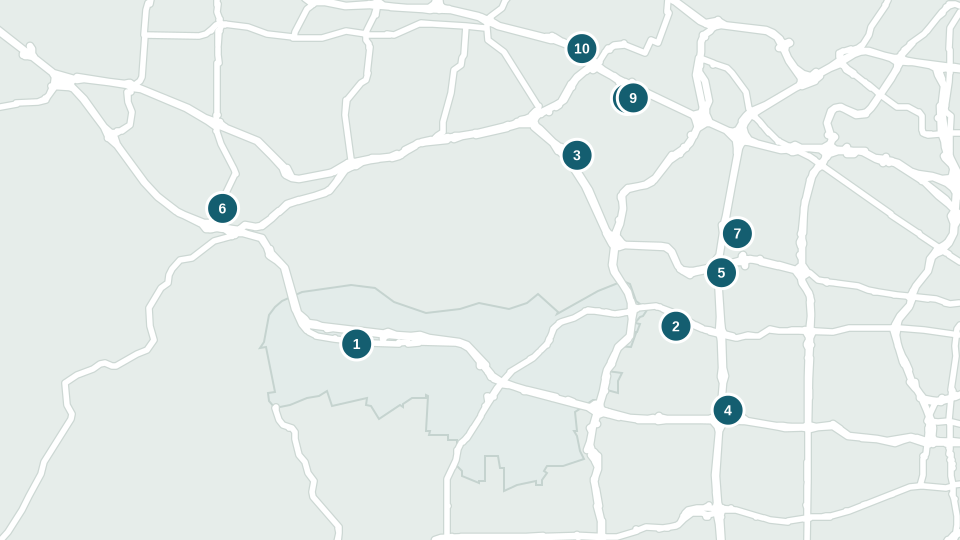
10 options near Chesterfield, MO, nearest first. Compare services and locations, then call to check availability.
This number connects to our central helpline, not directly to a listed facility.
When you contact a drug rehab center in Chesterfield, ask what happens during the first appointment. Some programs offer an assessment to discuss your substance use, health history and any treatment goals. You can also ask about the types of therapy available and whether the program includes regular check-ins with a counselor or medical provider.
If you are looking for care for a teenager, one local program, Crossroads Program, has confirmed it offers adolescent services. Call ahead to confirm what services are offered and what you need to bring to your first visit.

Comparing programs starts with knowing the common formats. A medical detox handles the first days of stopping use, when withdrawal can be hardest, and it is usually followed by another level of care. Inpatient rehab combines housing with structured days of individual counseling, group therapy, and relapse-prevention work.
Outpatient and intensive outpatient programs cover similar therapies in fewer hours, which some people use as a starting point and others use as a step down from residential care. Many centers also build in family sessions, dual-diagnosis treatment for co-occurring mental health conditions, and alumni or continuing-care groups after discharge.
A few practical questions can tell you a lot about whether a program fits. Start with the basics: what levels of care are offered, what the admission process is, and how quickly someone can start. Ask about the daily structure and what a week of treatment actually looks like.
If you have a job, school, or caregiving duties, ask how scheduling works around them. If money is a factor, ask whether they accept your insurance, what the total cost covers, and whether there are extra charges. Finally, ask what happens after the program ends, since steady follow-up care is a major part of staying on track.
Payment for drug rehab centers in Missouri is commonly handled through private insurance, with many plans offering partial or full coverage; it is critical to check directly with each center to confirm what your specific plan covers. For those who qualify, public programs like Missouri Medicaid and Medicare can significantly reduce out-of-pocket expenses, but eligibility requirements and coverage details must be confirmed. Additionally, sliding-scale fees based on income are a widespread practice, and self-pay options are typically available for individuals without insurance coverage.
Concrete comparisons beat impressions when choosing between programs. Make a short list of what each nearby center offers: levels of care, therapy types, average length of stay, family involvement, and whether they can treat co-occurring conditions. Ask each program the same set of questions and note the answers side by side.
Weigh logistics honestly, including commute time, cost after insurance, and rules about phones or visitors. Notice how each program treats you during the first call, because responsiveness and willingness to explain things often reflect how the whole experience will go.
When you contact a drug rehab center in Chesterfield, ask what happens during the first appointment.

Any overdose, loss of consciousness, or threat of self-harm is a reason to call 911 immediately, before contacting any treatment center. Emergency services can provide medical care on the scene and during transport, which a rehab program cannot do. For a mental health or suicidal crisis that is not a medical emergency, the 988 line offers free, confidential support by call or text, day or night.
Reaching out early for crisis help is always appropriate, and no treatment program will penalize you for putting safety first.
If you or someone else is in immediate danger, call 911 now.
626 Cepi Drive, Chesterfield, MO, 63005
Active
970 Executive Parkway Drive, Saint Louis, MO, 63141
Active
2706 South River Road, Saint Charles, MO, 63303
Active
615 South New Ballas Road, Saint Louis, MO, 63141
Active
2055 Craigshire Road, Suite 410, Saint Louis, MO, 63146
Active
844 Waterbury Falls Drive, O Fallon, MO, 63368
Active
140 Weldon Parkway, Maryland Heights, MO, 63043
Active
325 San Juan Drive, Saint Charles, MO, 63303
Active
1601 Old South River Road, Saint Charles, MO, 63303
Active
2 Westbury Drive, Saint Charles, MO, 63301
Active
These lists use only what the 10 active facilities listed for Chesterfield report to SAMHSA's FindTreatment.gov. No facility pays to be included or can ask to be moved. Reporting more options is not a measure of quality, outcomes or suitability for any person. A missing option means the facility did not report it to the source, not that it is not offered. Call the facility to confirm everything before relying on it.
How this list is made: each facility scores one point for each of these 5 levels of care (settings) it reports to SAMHSA's FindTreatment.gov (Residential (24-hour); Outpatient; Intensive outpatient; Partial hospitalization / day treatment; Hospital inpatient). A facility needs at least 3 to appear. Facilities are shown from the highest count to the lowest; facilities with the same count are in alphabetical order, which has no other meaning. Up to 10 are shown.
How this list is made: each facility scores one point for each of these 7 payment and cost-assistance options it reports to SAMHSA's FindTreatment.gov (Medicaid; Medicare; Private health insurance; Military insurance (TRICARE); Cash or self-payment; Sliding fee scale; Payment assistance). A facility needs at least 4 to appear. Facilities are shown from the highest count to the lowest; facilities with the same count are in alphabetical order, which has no other meaning. Up to 10 are shown.
How this list is made: each facility scores one point for each of these 4 medications used in treatment it reports to SAMHSA's FindTreatment.gov (Buprenorphine; Methadone; Naltrexone; Medication for alcohol use disorder). A facility needs at least 2 to appear. Facilities are shown from the highest count to the lowest; facilities with the same count are in alphabetical order, which has no other meaning. Up to 10 are shown.
How this list is made: each facility scores one point for each of these 12 age groups and client groups accepted it reports to SAMHSA's FindTreatment.gov (Adolescents; Young adults; Adults; Seniors; Pregnant or postpartum women; Adult women; Adult men; Veterans; Active duty military; Criminal justice clients; Clients who have experienced trauma; Co-occurring mental and substance use disorders). A facility needs at least 5 to appear. Facilities are shown from the highest count to the lowest; facilities with the same count are in alphabetical order, which has no other meaning. Up to 10 are shown.
Ask about the types of treatment offered, whether they provide individual or group counseling, and what the intake process involves. If you or a family member is a teenager, ask if the program offers adolescent services.
Some programs require a referral from a doctor or a prior assessment, while others allow you to call directly. Always verify admission requirements with the program before your first visit.
The first days usually involve an intake assessment, where staff ask about your substance use, medical history, and mental health. If you need detox, that often comes first, with staff monitoring you and treating withdrawal symptoms. Once you are stable, treatment shifts to a regular schedule of counseling, group sessions, and planning for what comes next. The exact process varies by program, so it is reasonable to ask for a written overview before you arrive.
Many programs include family sessions, education for relatives, and scheduled visitation, especially in residential care. Family involvement can help the people close to you understand addiction as a health condition and learn how to support your recovery without enabling. Policies differ widely, though, from full family programs to limited visiting hours, so ask about this before choosing a program if family participation matters to you.
No. Medication-assisted treatment, which combines FDA-approved medications with counseling for opioid or alcohol use disorders, is offered by many programs but not all of them. Some centers focus on counseling alone, and availability can vary even between locations of the same organization. If this treatment is relevant to you, ask specifically which medications are prescribed, who prescribes them, and how long the program supports continued use.
Last updated