 National Rehab Helpline
Coras Wellness and Behavioral Health
4.3 mi, Wilmington1121 Brandywine Street, Wilmington, DE, 19802
Active
- Residential
- Medication-assisted treatment
- Medicaid
- Medicare
City
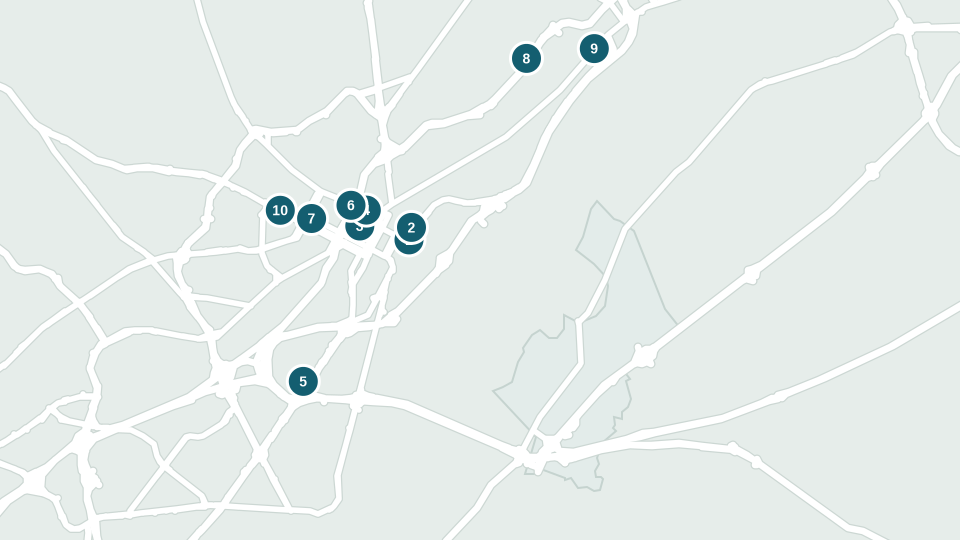
No listed facilities are in Carneys Point. The nearest listed facility is 4.3 miles from Carneys Point. Compare the facilities near Carneys Point below; distances are straight-line estimates.
This number connects to our central helpline, not directly to a listed facility.
When you call a program, ask what happens during an intake appointment and which services are available. Before you choose a program, call to confirm its services, admission requirements and current availability.

Comparing programs starts with knowing the common formats. A medical detox handles the first days of stopping use, when withdrawal can be hardest, and it is usually followed by another level of care. Inpatient rehab combines housing with structured days of individual counseling, group therapy, and relapse-prevention work.
Outpatient and intensive outpatient programs cover similar therapies in fewer hours, which some people use as a starting point and others use as a step down from residential care. Many centers also build in family sessions, dual-diagnosis treatment for co-occurring mental health conditions, and alumni or continuing-care groups after discharge.
A few practical questions can tell you a lot about whether a program fits. Start with the basics: what levels of care are offered, what the admission process is, and how quickly someone can start. Ask about the daily structure and what a week of treatment actually looks like.
If you have a job, school, or caregiving duties, ask how scheduling works around them. If money is a factor, ask whether they accept your insurance, what the total cost covers, and whether there are extra charges. Finally, ask what happens after the program ends, since steady follow-up care is a major part of staying on track.
Many individuals seeking care at drug rehab centers across New Jersey use private health insurance, which often covers a portion of treatment; it is important to verify coverage directly with your plan. For those without insurance, publicly funded options may be available through state or county programs, though eligibility requirements apply. Facilities commonly offer sliding-scale fees based on income, and self-pay arrangements are typically accepted.
Always confirm with the specific center about accepted payment methods and any financial assistance before admission.
Start with the kinds of care relevant to your needs.
Check each program’s listed services, location and contact details.
Contact a program to confirm availability, costs and the next step.
Concrete comparisons beat impressions when choosing between programs. Make a short list of what each nearby center offers: levels of care, therapy types, average length of stay, family involvement, and whether they can treat co-occurring conditions. Ask each program the same set of questions and note the answers side by side.
Weigh logistics honestly, including commute time, cost after insurance, and rules about phones or visitors. Notice how each program treats you during the first call, because responsiveness and willingness to explain things often reflect how the whole experience will go.
When you call a program, ask what happens during an intake appointment and which services are available.

Any overdose, loss of consciousness, or threat of self-harm is a reason to call 911 immediately, before contacting any treatment center. Emergency services can provide medical care on the scene and during transport, which a rehab program cannot do. For a mental health or suicidal crisis that is not a medical emergency, the 988 line offers free, confidential support by call or text, day or night.
Reaching out early for crisis help is always appropriate, and no treatment program will penalize you for putting safety first.
If you or someone else is in immediate danger, call 911 now.
1121 Brandywine Street, Wilmington, DE, 19802
Active
908 B East 16th Street, Wilmington, DE, 19802
Active
819 North Washington Street, Wilmington, DE, 19801
Active
501 West 14th Street, Wilmington, DE, 19801
Active
14 Central Avenue, New Castle, DE, 19720
Active
1016 Delaware Avenue, Wilmington, DE, 19806
Active
1802 West 4th Street, Wilmington, DE, 19805
Active
1401 Silverside Road, Suite 3-A, Wilmington, DE, 19810
Active
2999 Philadelphia Pike, Claymont, DE, 19703
Active
2713 Lancaster Avenue, Wilmington, DE, 19805
Active
These lists use only what the 10 active facilities listed for Carneys Point report to SAMHSA's FindTreatment.gov. No facility pays to be included or can ask to be moved. Reporting more options is not a measure of quality, outcomes or suitability for any person. A missing option means the facility did not report it to the source, not that it is not offered. Call the facility to confirm everything before relying on it.
How this list is made: each facility scores one point for each of these 5 levels of care (settings) it reports to SAMHSA's FindTreatment.gov (Residential (24-hour); Outpatient; Intensive outpatient; Partial hospitalization / day treatment; Hospital inpatient). A facility needs at least 3 to appear. Facilities are shown from the highest count to the lowest; facilities with the same count are in alphabetical order, which has no other meaning. Up to 10 are shown.
How this list is made: each facility scores one point for each of these 7 payment and cost-assistance options it reports to SAMHSA's FindTreatment.gov (Medicaid; Medicare; Private health insurance; Military insurance (TRICARE); Cash or self-payment; Sliding fee scale; Payment assistance). A facility needs at least 4 to appear. Facilities are shown from the highest count to the lowest; facilities with the same count are in alphabetical order, which has no other meaning. Up to 10 are shown.
How this list is made: each facility scores one point for each of these 4 medications used in treatment it reports to SAMHSA's FindTreatment.gov (Buprenorphine; Methadone; Naltrexone; Medication for alcohol use disorder). A facility needs at least 2 to appear. Facilities are shown from the highest count to the lowest; facilities with the same count are in alphabetical order, which has no other meaning. Up to 10 are shown.
How this list is made: each facility scores one point for each of these 12 age groups and client groups accepted it reports to SAMHSA's FindTreatment.gov (Adolescents; Young adults; Adults; Seniors; Pregnant or postpartum women; Adult women; Adult men; Veterans; Active duty military; Criminal justice clients; Clients who have experienced trauma; Co-occurring mental and substance use disorders). A facility needs at least 5 to appear. Facilities are shown from the highest count to the lowest; facilities with the same count are in alphabetical order, which has no other meaning. Up to 10 are shown.
Call each program you are considering and ask about its approach, the types of therapy it offers, and what levels of care are available. Many programs also offer an initial assessment to help determine the best fit for your situation.
Ask the program ahead of time what documents are needed. In general, you may want to bring a photo ID, your insurance card, a list of any medications you take, and contact information for any referring doctor or counselor.
The first days usually involve an intake assessment, where staff ask about your substance use, medical history, and mental health. If you need detox, that often comes first, with staff monitoring you and treating withdrawal symptoms. Once you are stable, treatment shifts to a regular schedule of counseling, group sessions, and planning for what comes next. The exact process varies by program, so it is reasonable to ask for a written overview before you arrive.
Many programs include family sessions, education for relatives, and scheduled visitation, especially in residential care. Family involvement can help the people close to you understand addiction as a health condition and learn how to support your recovery without enabling. Policies differ widely, though, from full family programs to limited visiting hours, so ask about this before choosing a program if family participation matters to you.
No. Medication-assisted treatment, which combines FDA-approved medications with counseling for opioid or alcohol use disorders, is offered by many programs but not all of them. Some centers focus on counseling alone, and availability can vary even between locations of the same organization. If this treatment is relevant to you, ask specifically which medications are prescribed, who prescribes them, and how long the program supports continued use.
Last updated